beginner rig
Bottom presentationLive-bait rig
Hook a lively baitfish through the lips or shoulder, cast or drift it out near current or structure, and let the bait's own natural swimming action attract a strike
- Water
- bayinletbridgeoffshore
Components
- Main line to a swivel
- Leader to a hook sized and styled to the live bait
- Small supplemental weight or float, only if needed to control depth
Setup
- Hook
- A circle or octopus hook sized to the specific live bait (a spot, croaker, mullet, or eel), hooked through the lips or back to keep it swimming naturally and alive as long as possible.
- Weight
- As little added weight as the situation allows — the goal is to let the live bait swim and present itself naturally; add just enough weight (or none, see Free-Line Rig) to keep it in the strike zone.
How to fish it
Hook a lively baitfish through the lips or shoulder, cast or drift it out near current or structure, and let the bait's own natural swimming action attract a strike.
When to use it
- Bridge pilings, channel edges, and buoys on a moving tide
- Big striped bass, cobia, and flounder that want a bait that swims
- Enough current to carry the bait, but not so much that it drags
Common mistakes
- Over-weighting the rig, which restricts the live bait's natural movement and defeats the purpose of fishing it live in the first place
Variations
Natural-bait rigs: the same idea, adjusted
- Sheet 13Bottomintermediate
Shark bottom rig (circle hook, catch-and-release)
For atlantic sharpnose shark, sandbar shark, smooth dogfish (smoothhound shark), bonnethead shark from pier, surf, bay, inlet.
Atlantic Sharpnose SharkSandbar SharkSmooth Dogfish (Smoothhound Shark) - Sheet 22Bottombeginner
Free-line rig
For striped bass, cobia, red drum from bay, inlet, offshore.
Striped BassCobiaRed Drum
Where to use it
Water this rig is documented for
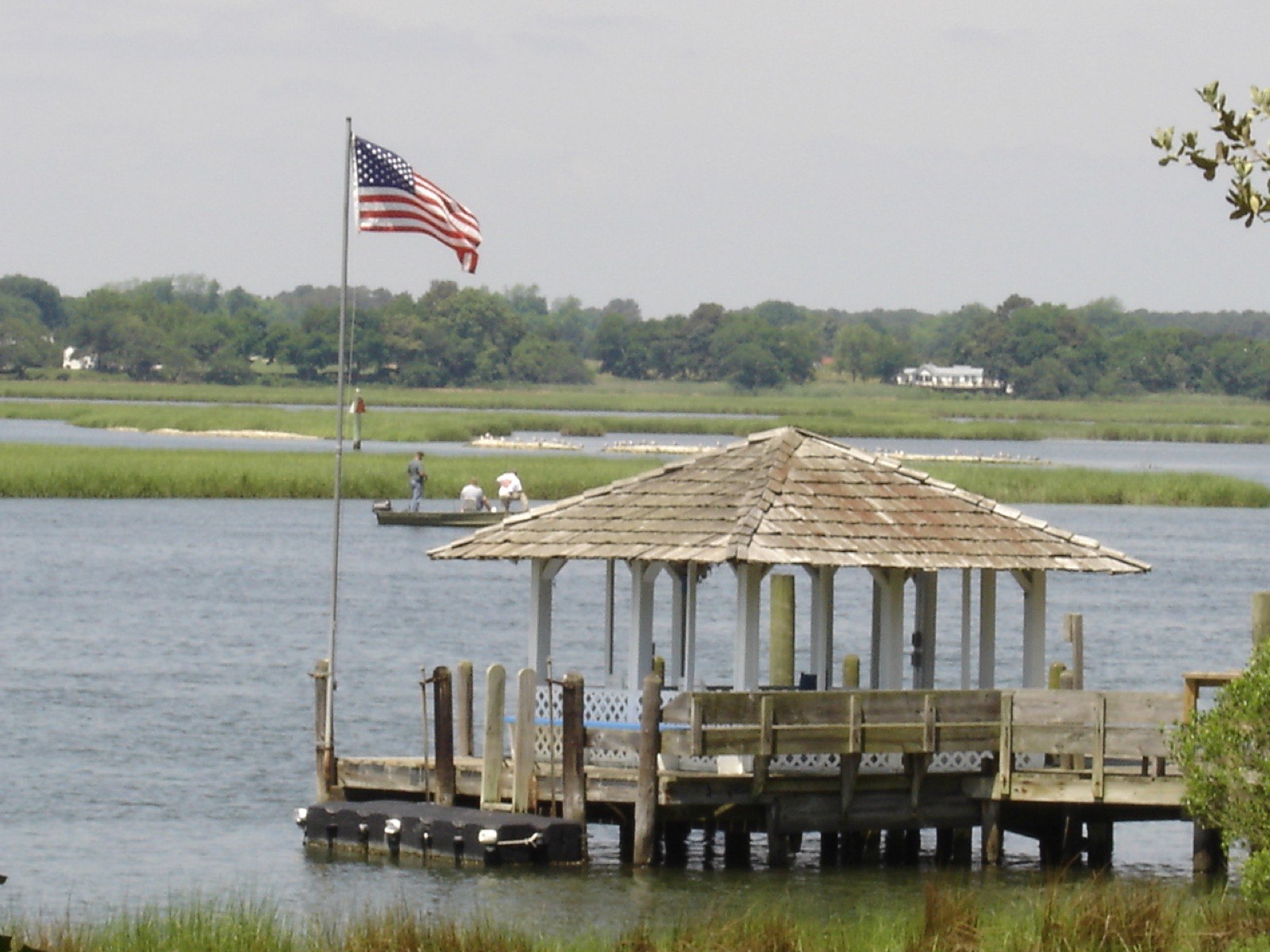
Photo BrandlandUSA, Public domain (representative)
ShorelineKayak launchSpecies matchLynnhaven Inlet — Boat Ramp & Beach Facility
The historic Lynnhaven Fishing Pier closed in 2017 and was sold — today's public access is the city's Lynnhaven Boat Ramp & Beach Facility, plus some bank fishing along the beach and riprap.
3 speciesAccessible features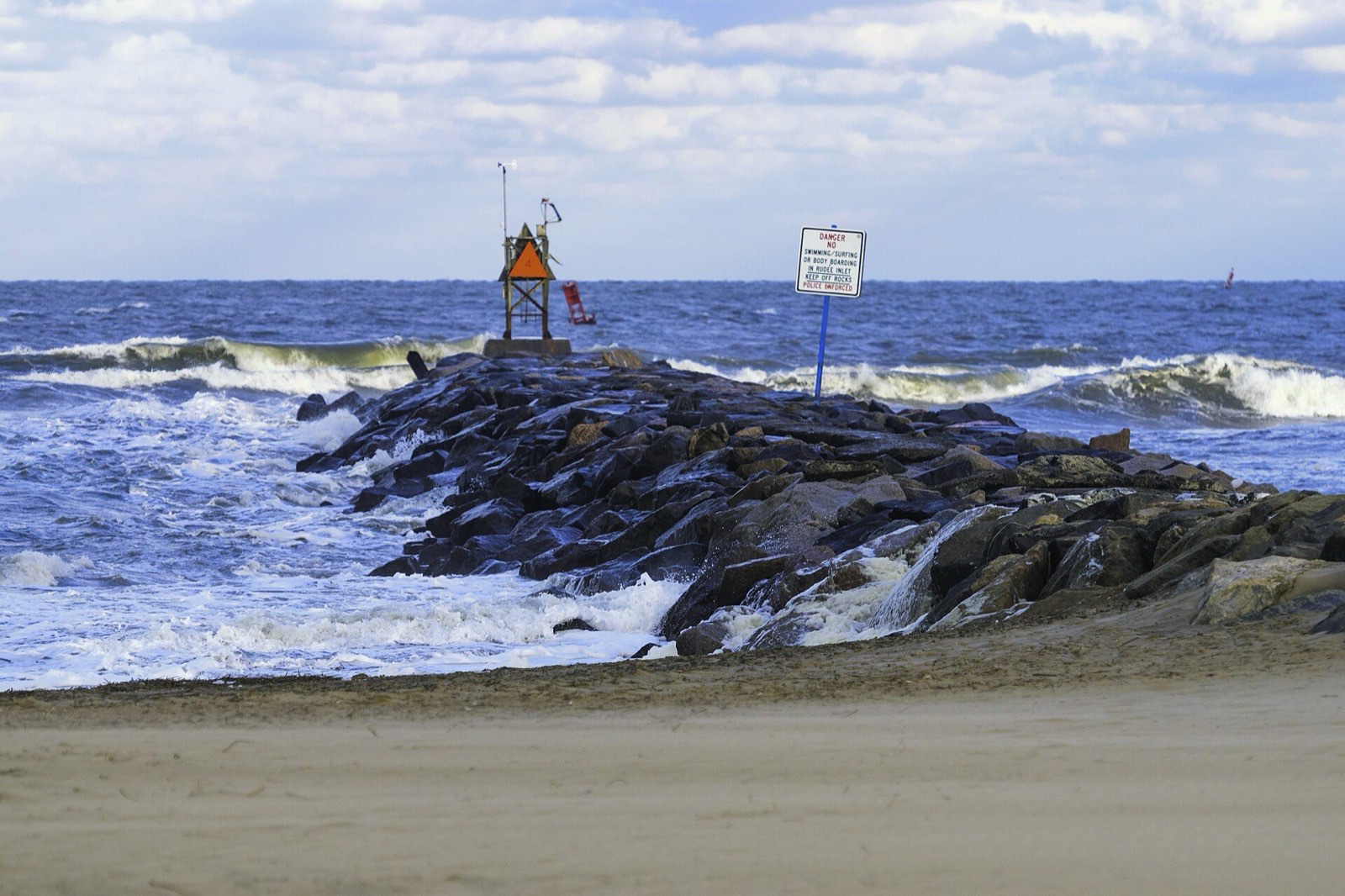
Photo PumpkinSky, CC BY-SA 3.0
ShorelineBeachSpecies matchRudee Inlet jetty & shoreline
Hard structure meeting ocean current — a technical spot that rewards anglers who read moving water.
6 speciesRestrooms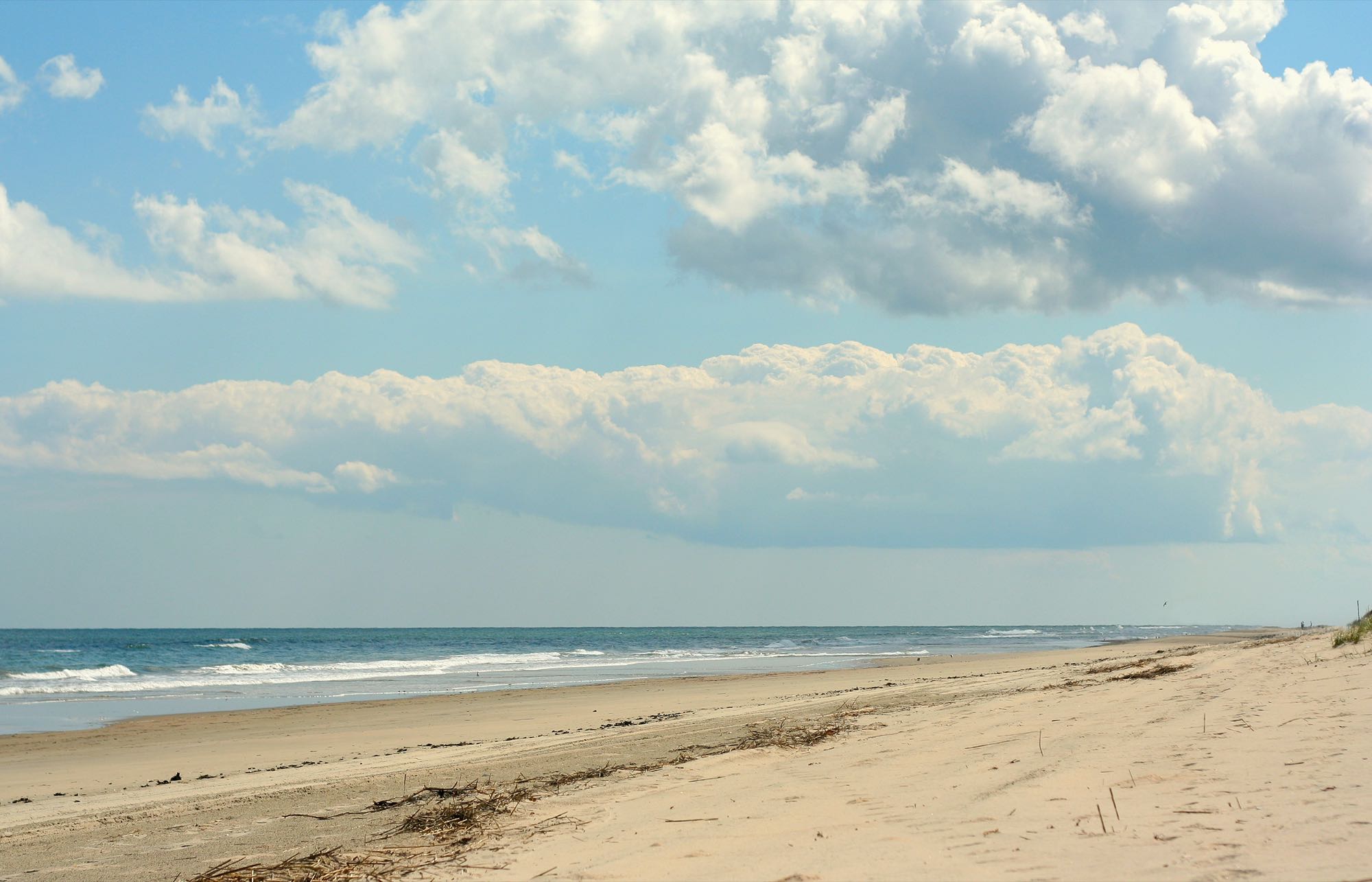
Photo Brent Hoard, CC BY 2.0
BeachSpecies matchSandbridge Beach surf
Open Atlantic beach with sandbars, troughs, and cuts — classic surf fishing with plenty of room to spread out.
4 speciesFamily-friendlyRestrooms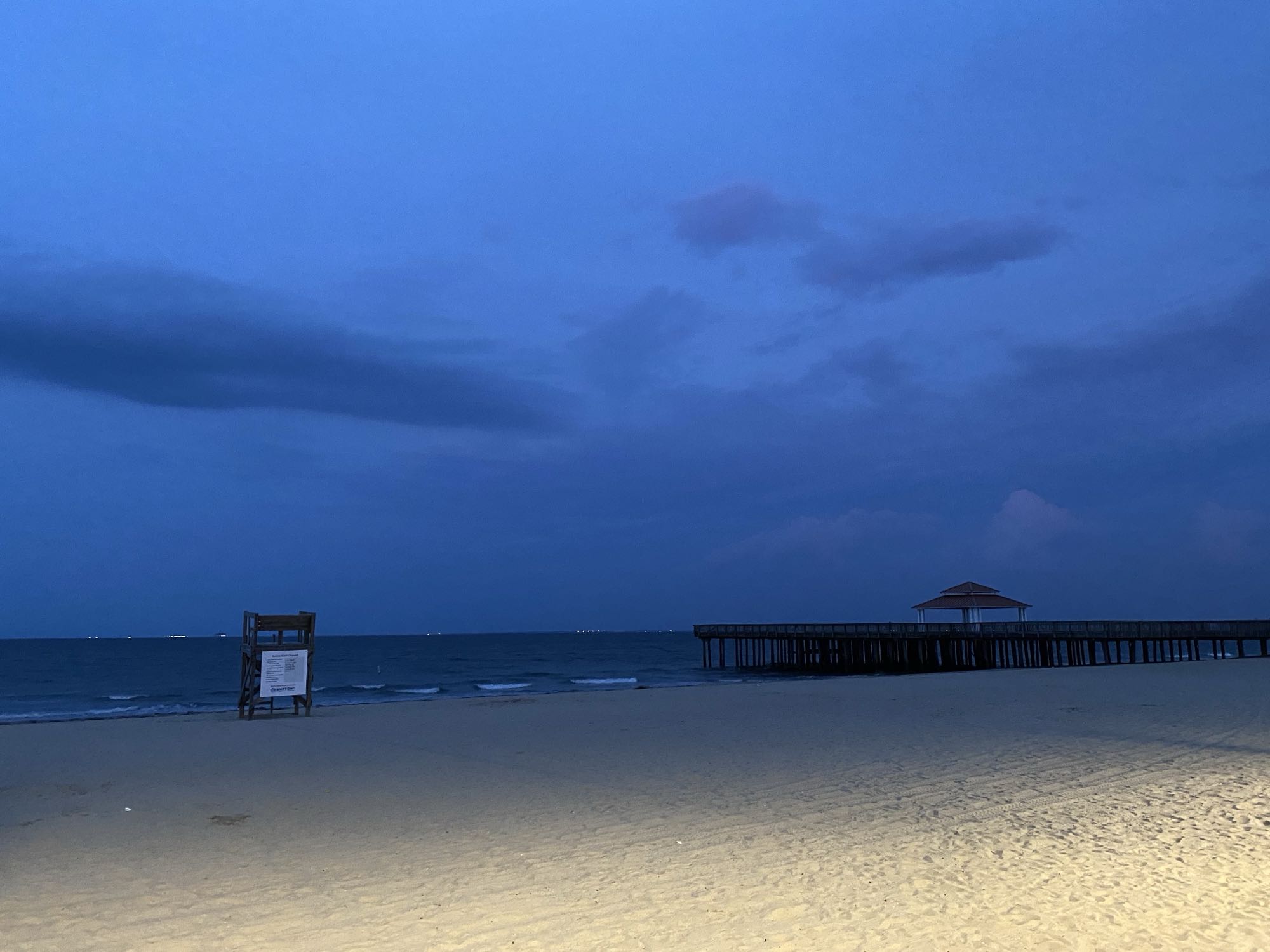
Photo Fuzheado, CC BY-SA 3.0
Fishing pierBeachSpecies matchBuckroe Beach & pier area
Bay-front pier and beach park — the most family-friendly introduction to Chesapeake fishing in Hampton.
6 speciesFamily-friendlyAccessible featuresRestrooms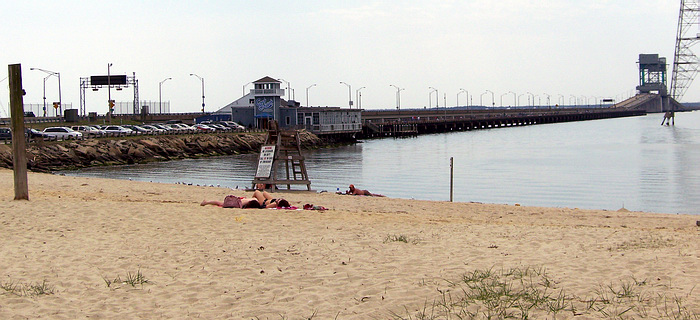
Photo Mytwocents, CC BY-SA 3.0
Fishing pierShorelineSpecies matchJames River pier & shoreline
Long tidal-river pier reaching out over deep water, mixing saltwater panfish with tidal-river species.
5 speciesFamily-friendlyAccessible featuresRestrooms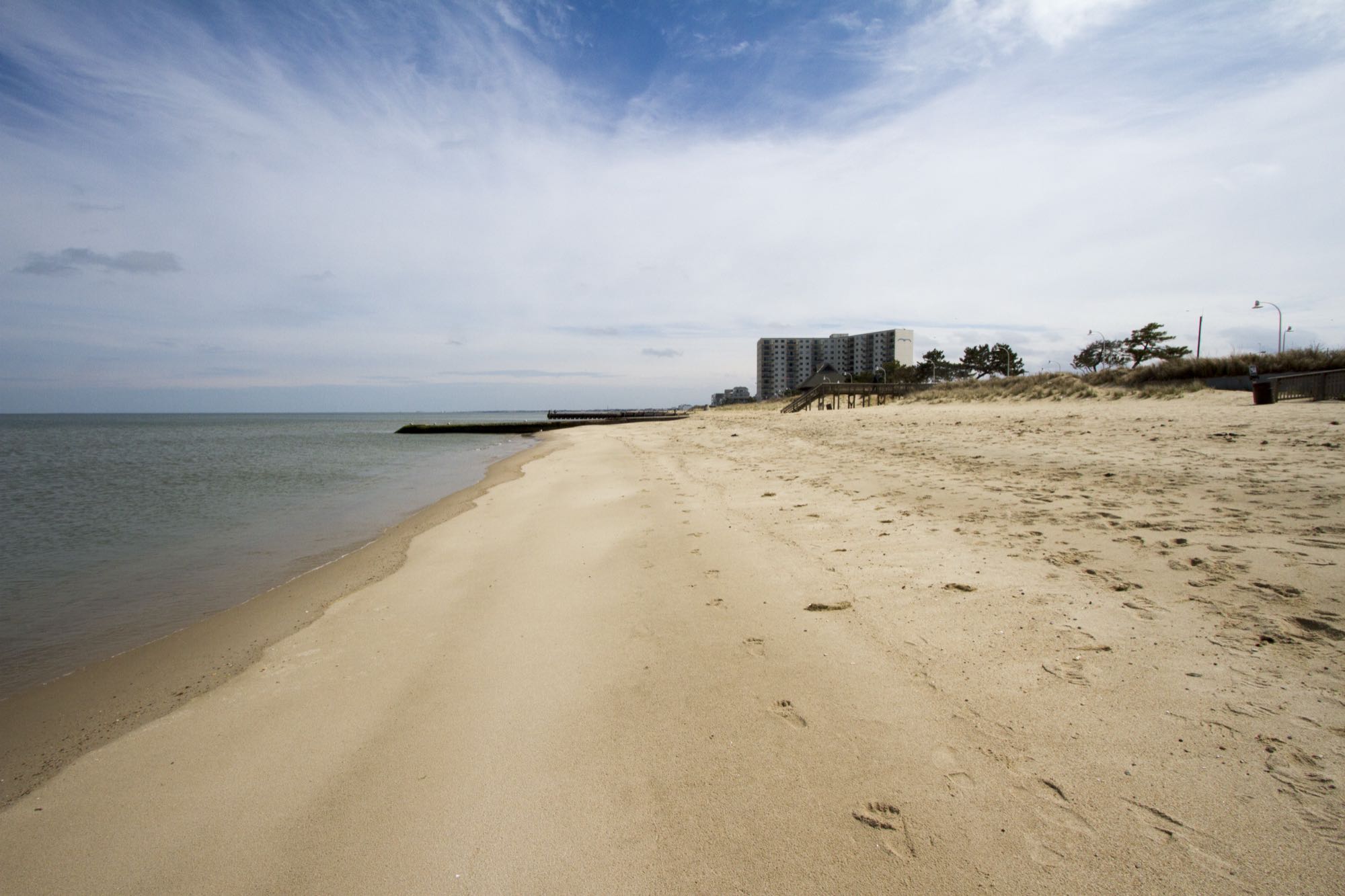
Photo Patrick Bloodgood / U.S. Army Corps of Engineers, Norfolk District, Public domain
ShorelineBeachSpecies matchWilloughby Spit shoreline
Narrow Bay-front spit near major structure — walkable shoreline with surprising depth close to the beach.
4 speciesFamily-friendly


