King Mackerel
Scomberomorus cavalla
Unverified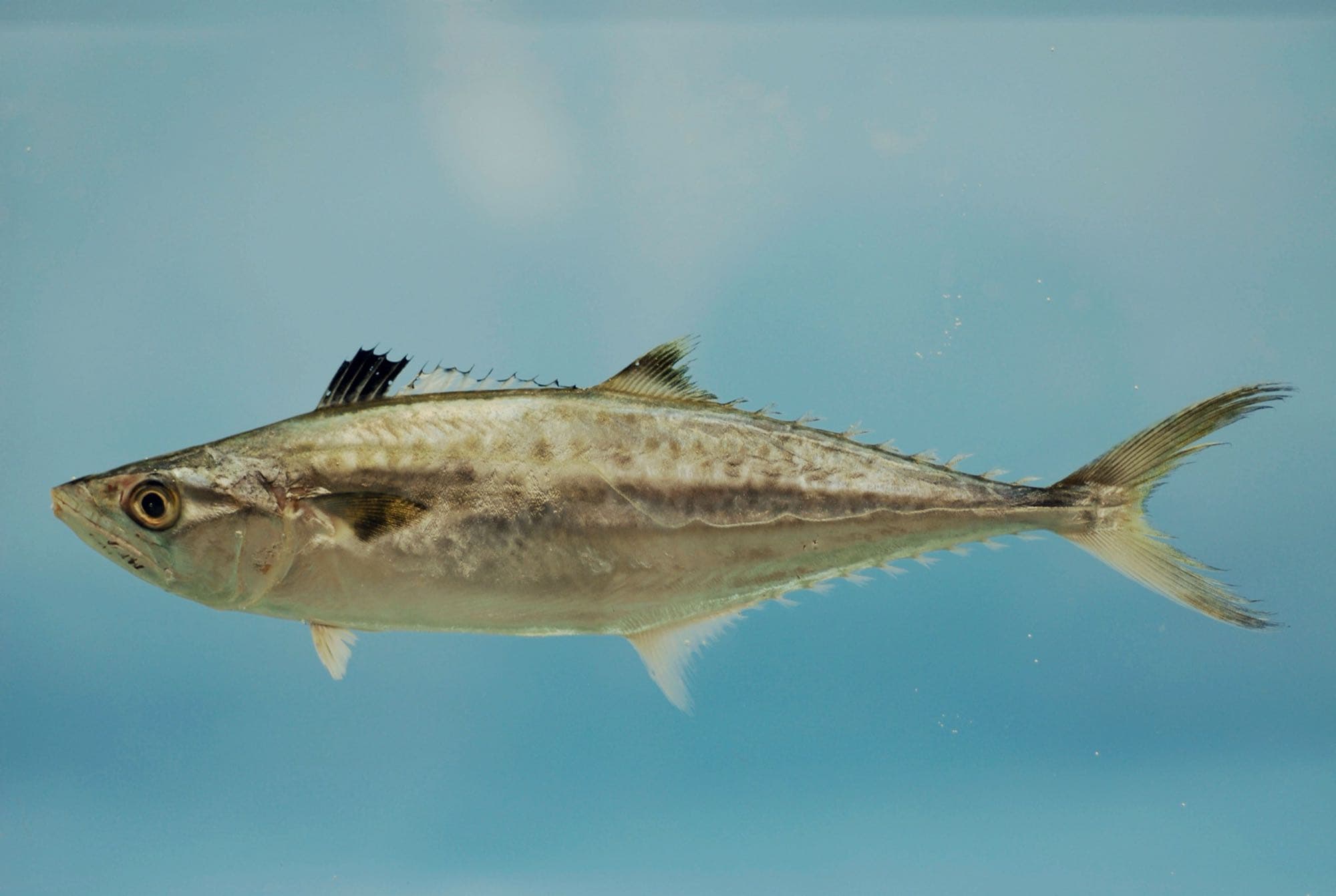
Where this fish fits
These are discovery categories describing where anglers realistically fish for this species, not a guarantee this project has confirmed regional access at every listed setting — see the linked locations below for this project's own actually-sourced spots.
- Typical season
- Late summer through fall, nearshore and offshore.
- Habitats
- Nearshore ocean structure and bait schools, Offshore wrecks and reefs
- Food use
- Eat with caution
Data not yet verified.
This site hasn't checked for a fish-consumption advisory covering this species yet. That is not the same as confirmed safe — check current official guidance before eating your catch.
Recipes for King Mackerel
Eat with caution — check the advisory notice above before eating your catch.
Seasons, size limits, and possession limits change and vary by water body. Always check the current regulations at Virginia Marine Resources Commission — Regulations before you fish.
- Bait & lures
- Trolled spoons or diving plugs, Live bait (menhaden, cigar minnows) on a stinger rig
- Beginner difficulty
- Challenging
Drawn from a named source but not independently confirmed. Double-check before relying on it.
Season, habitat, and bait notes reflect general regional angling knowledge and have not been individually checked against official data. The regulation link was confirmed live as of 2026-08-08 — always check it before you fish, since seasons and limits change. King mackerel is named on the FDA/EPA joint 'Choices to Avoid' (highest-mercury) list, alongside shark, swordfish, tilefish, and marlin — this project couldn't get a clean direct fetch of the current live FDA chart (repeated 403/404s as of 2026-08-08), but this is corroborated consistently across multiple independent secondary sources describing the same stable, years-old joint advisory. Pregnant/nursing people and young children should avoid it; everyone else should eat it only occasionally.