Protected wildlife encounters
Sea turtles, diamondback terrapin, and bottlenose dolphin — real protected species a Hampton Roads angler, crabber, or boater could plausibly encounter through an accidental hookup, a crab-pot interaction, or a vessel-strike risk. None of these are ever legal targets. Every entry states plainly what not to do and gives the actual authoritative response guidance — always contact trained responders, never attempt rescue or handling yourself.
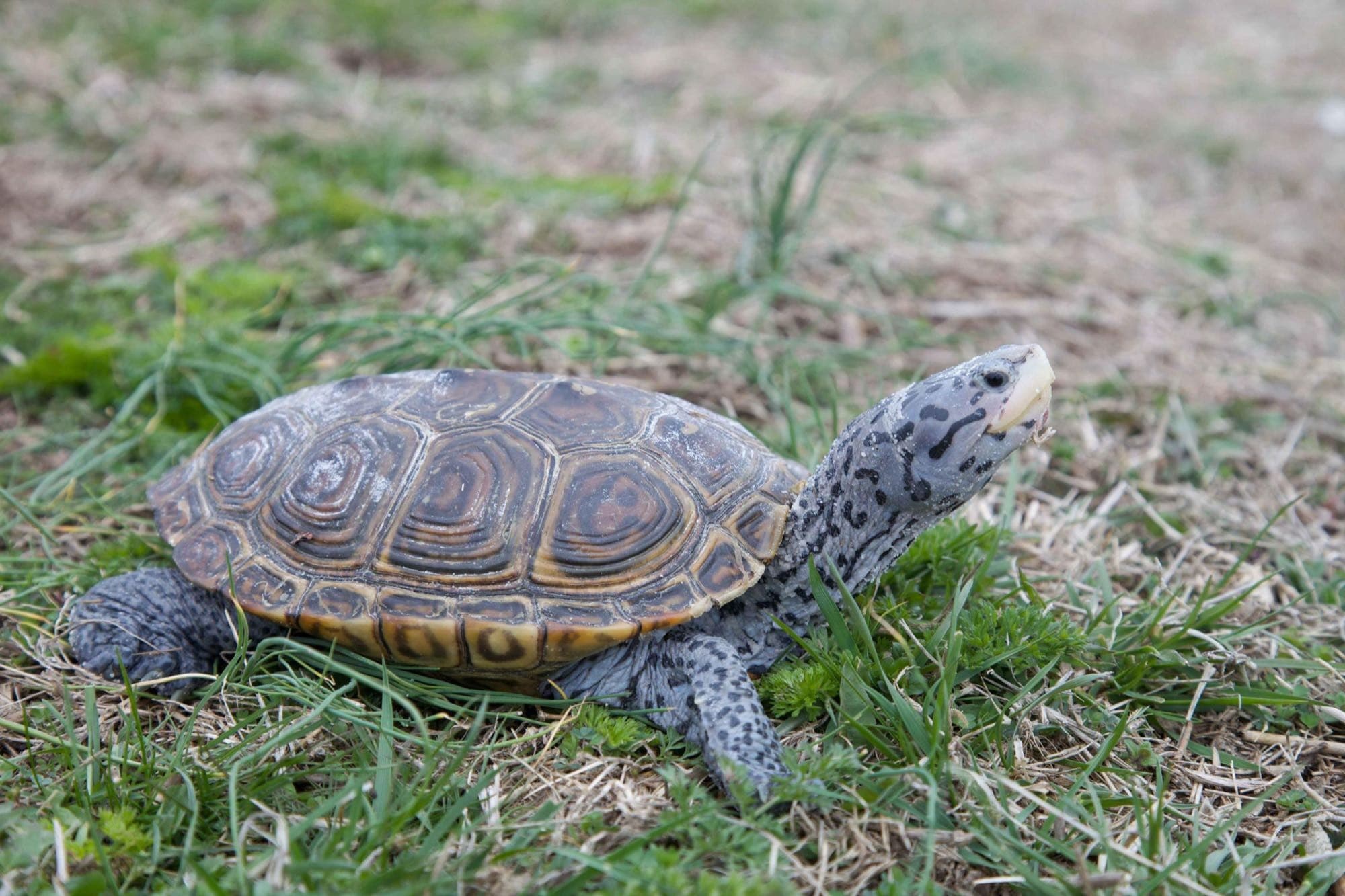
Diamondback TerrapinTerrapin
Malaclemys terrapinThe only turtle species adapted to live in brackish water — found in Hampton Roads salt marshes and tidal creeks specifically, unlike any freshwater or sea turtle.Never a legal target. No possession allowed under Virginia's nongame species regulations — a 'Very High Conservation Need' species. Recreational crab pots in Virginia waters are required to carry a terrapin excluder device to prevent incidental drowning.
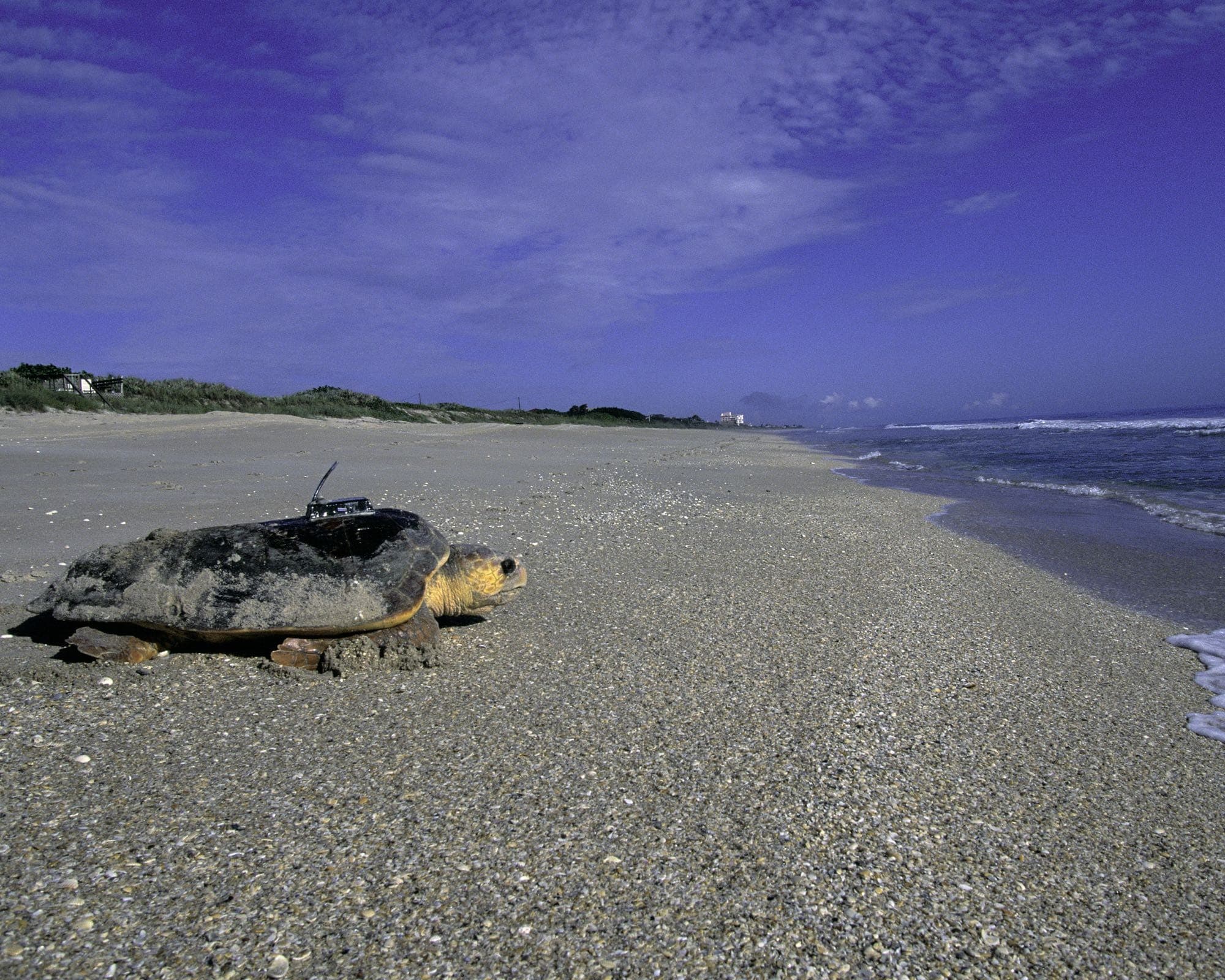
Loggerhead Sea TurtleSea Turtle
Caretta carettaThe most regularly-occurring sea turtle in Virginia waters — named for its notably large head, which houses the powerful jaw muscles it uses to crush hard-shelled prey like whelks and conch.Never a legal target. State and federally listed as threatened under the Endangered Species Act.
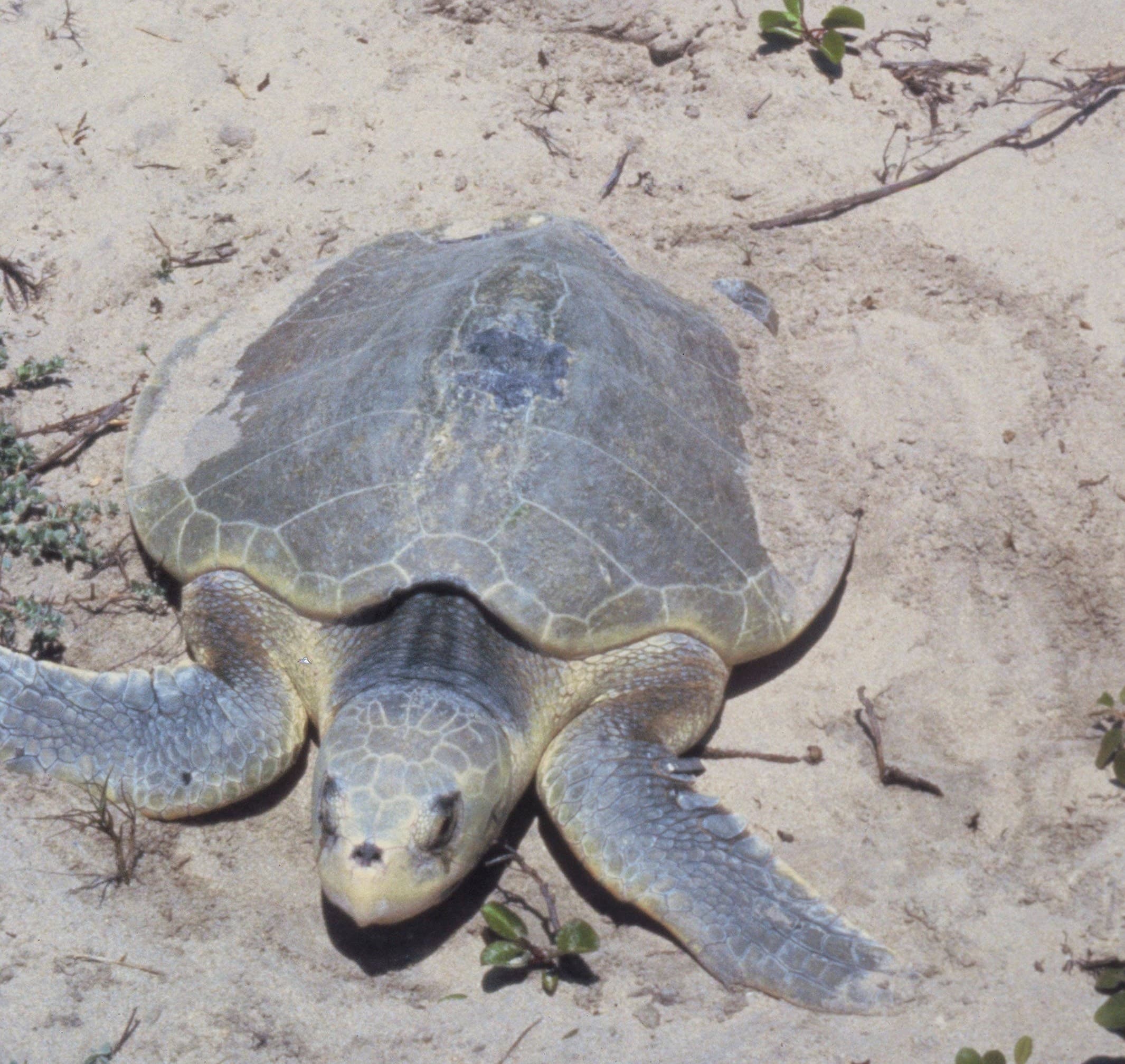
Kemp's Ridley Sea TurtleSea Turtle
Lepidochelys kempiiThe smallest sea turtle species — an adult is only about 2 feet long, far smaller than loggerhead or green sea turtle — with an almost circular, olive-gray carapace.Never a legal target. State and federally listed as endangered under the Endangered Species Act.
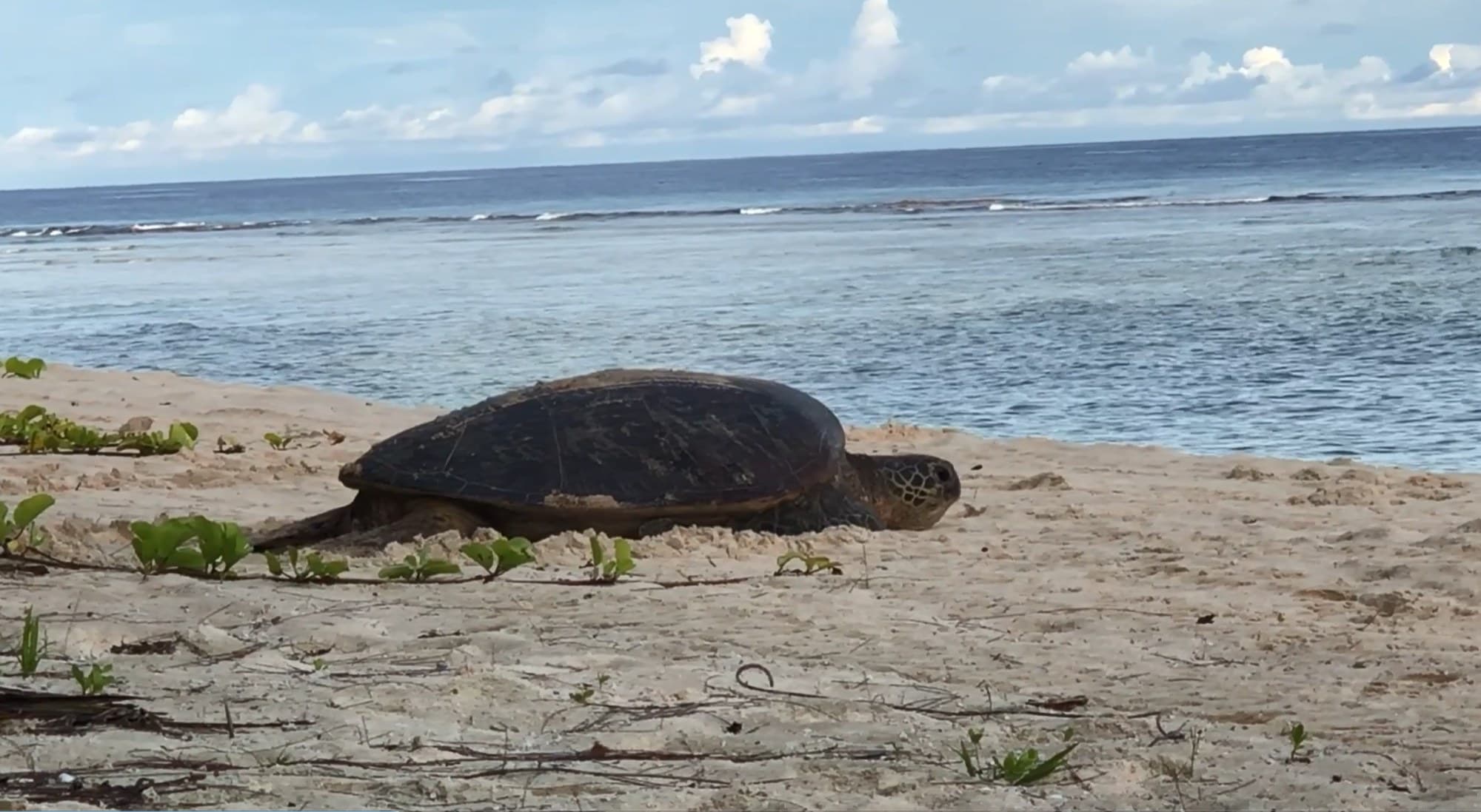
Green Sea TurtleSea Turtle
Chelonia mydasNamed for the color of its body fat, not its shell — has a small, blunt head with a serrated jaw (built for grazing seagrass) and only one claw per flipper, versus loggerhead's larger head and two claws per flipper.Never a legal target. State and federally listed as threatened under the Endangered Species Act.
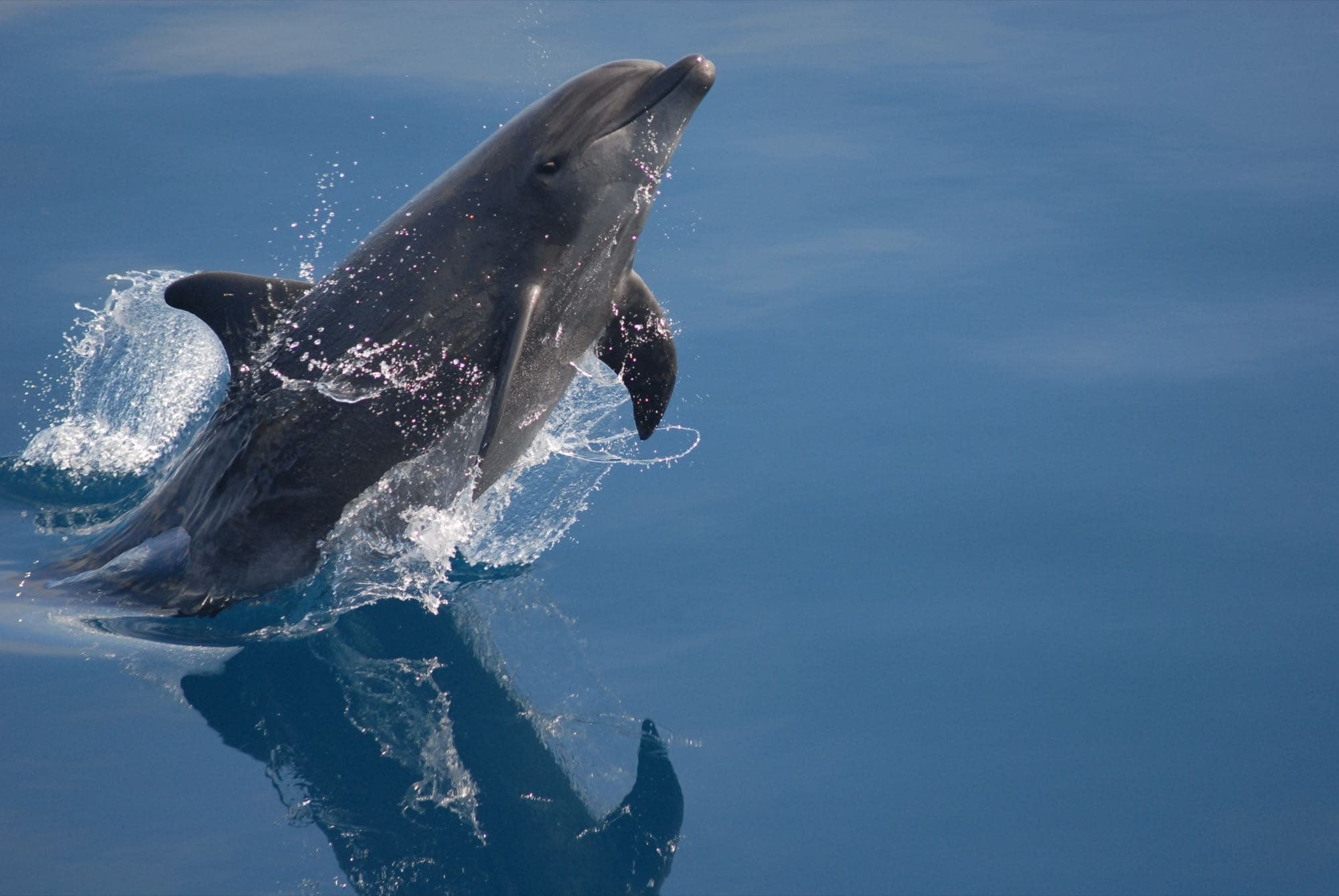
Common Bottlenose DolphinMarine Mammal
Tursiops truncatusA large, gray, curved-dorsal-finned dolphin that regularly frequents the Chesapeake Bay in warmer months — the one marine mammal a Hampton Roads boater should expect to actually see.Never a legal target. Protected under the federal Marine Mammal Protection Act — it is illegal to harass, hunt, capture, or kill a marine mammal, including negligent vessel operation that disturbs one. NOAA recommends observing from at least 50 yards.