Local culture & heritage

Hampton Roads has been a fishing and maritime community for over 400 years. A few short, sourced stories behind the water — each one checked against an official or primary source, not folklore.

The first landing, 1607

Verified

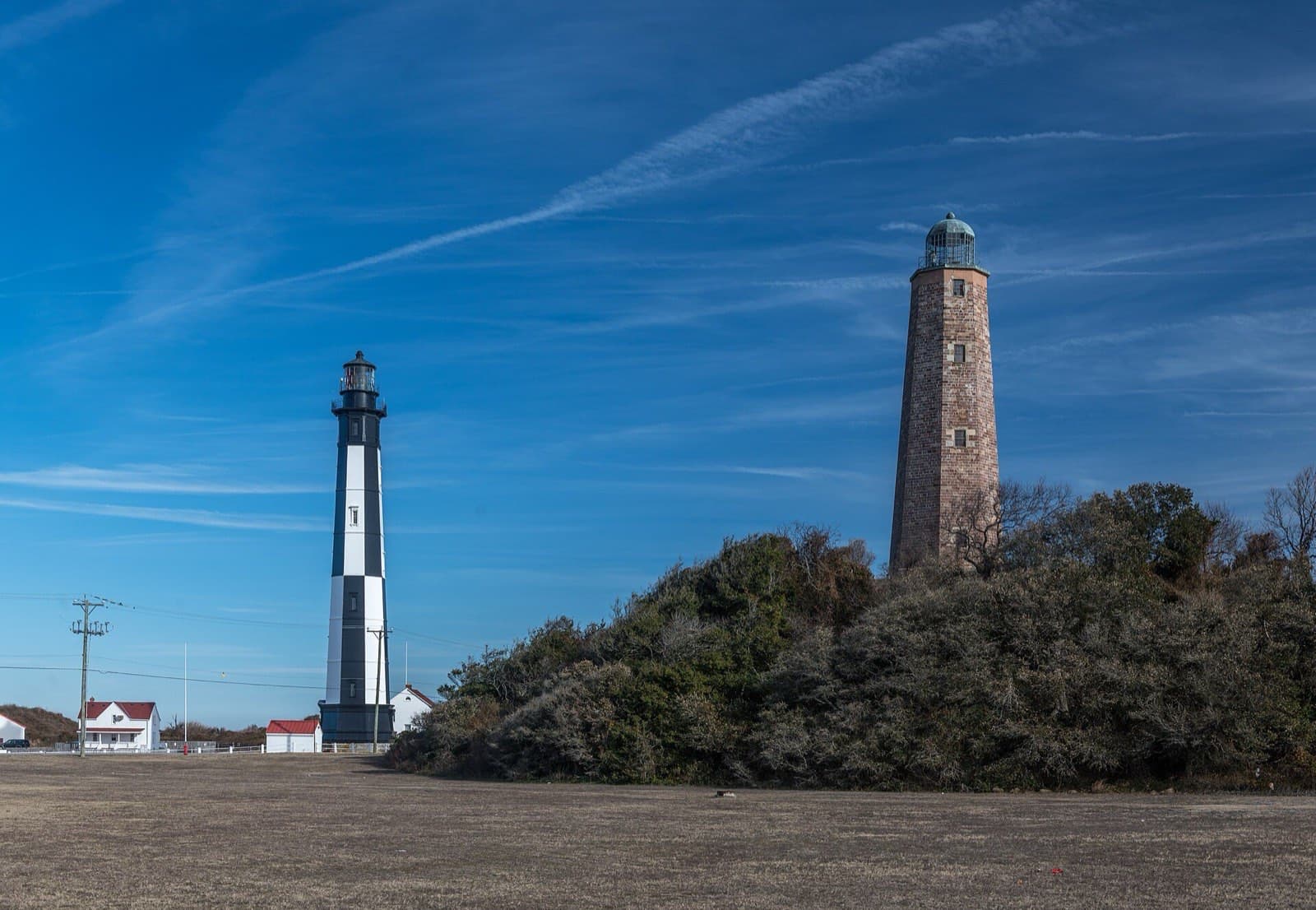
Before the Jamestown colonists settled the James River, they made their first Virginia landfall at Cape Henry on April 26, 1607 — spending four days ashore, naming the cape, and raising a wooden cross before continuing upriver. A granite cross erected in 1935 marks the spot today at Cape Henry Memorial, inside Colonial National Historical Park, a short walk from the fishing grounds at First Landing State Park.

Source: National Park Service — Cape Henry Memorial

The Lynnhaven oyster

Verified

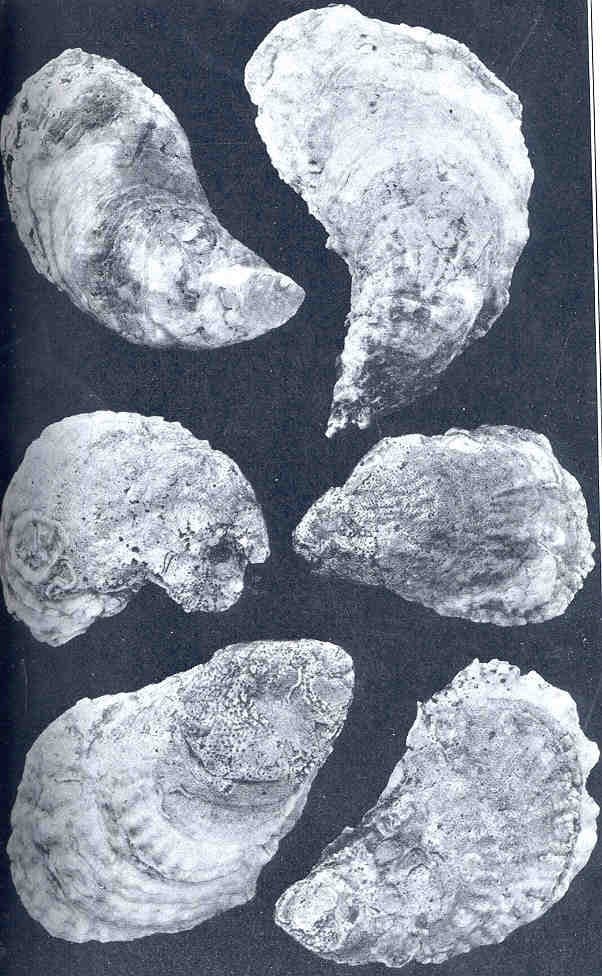
Lynnhaven River oysters were once the gold standard of the American raw bar — served to presidents and European royalty through the 1800s, prized for the distinct brine where the Chesapeake meets the Atlantic. President William Howard Taft reportedly ate more than ten dozen on a single 1909 visit, and the New York businessman "Diamond Jim" Brady sought them out specifically. Post-Civil War commercial dredging shipped millions of bushels to distant urban markets annually — the same boom that, combined with later pollution and overharvesting, collapsed the population to about 1% of historic levels by 1990; the river was closed to shellfish harvesting in 2006. A bacteria-reduction plan and a no-discharge zone for boaters have since reopened roughly 42% of the river to harvest, and small oyster farms are working the Lynnhaven again.

Source: Chesapeake Bay Program

Verified

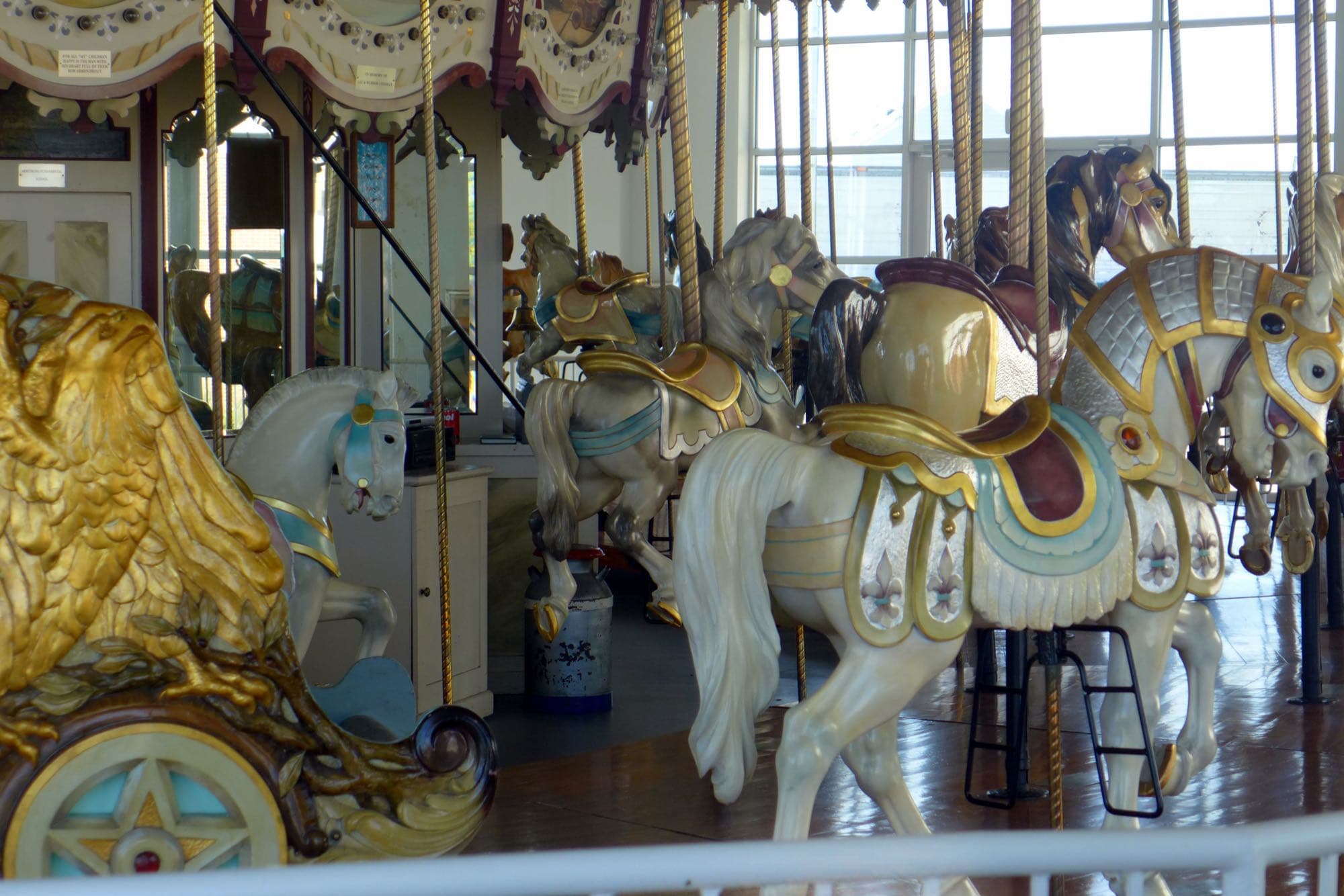
Built in 1920 by the Philadelphia Toboggan Company for the old Buckroe Beach Amusement Park, this hand-carved wooden carousel — 48 horses, two chariots, a Bruder band organ — ran every summer for nearly 70 years before the park closed in 1985. Restored and moved to downtown Hampton's waterfront, it reopened in 1991 and has run every summer since; it's been listed on the National Register of Historic Places since 1992.

Source: Virginia Dept. of Historic Resources

Watermen and the working Bay

Verified

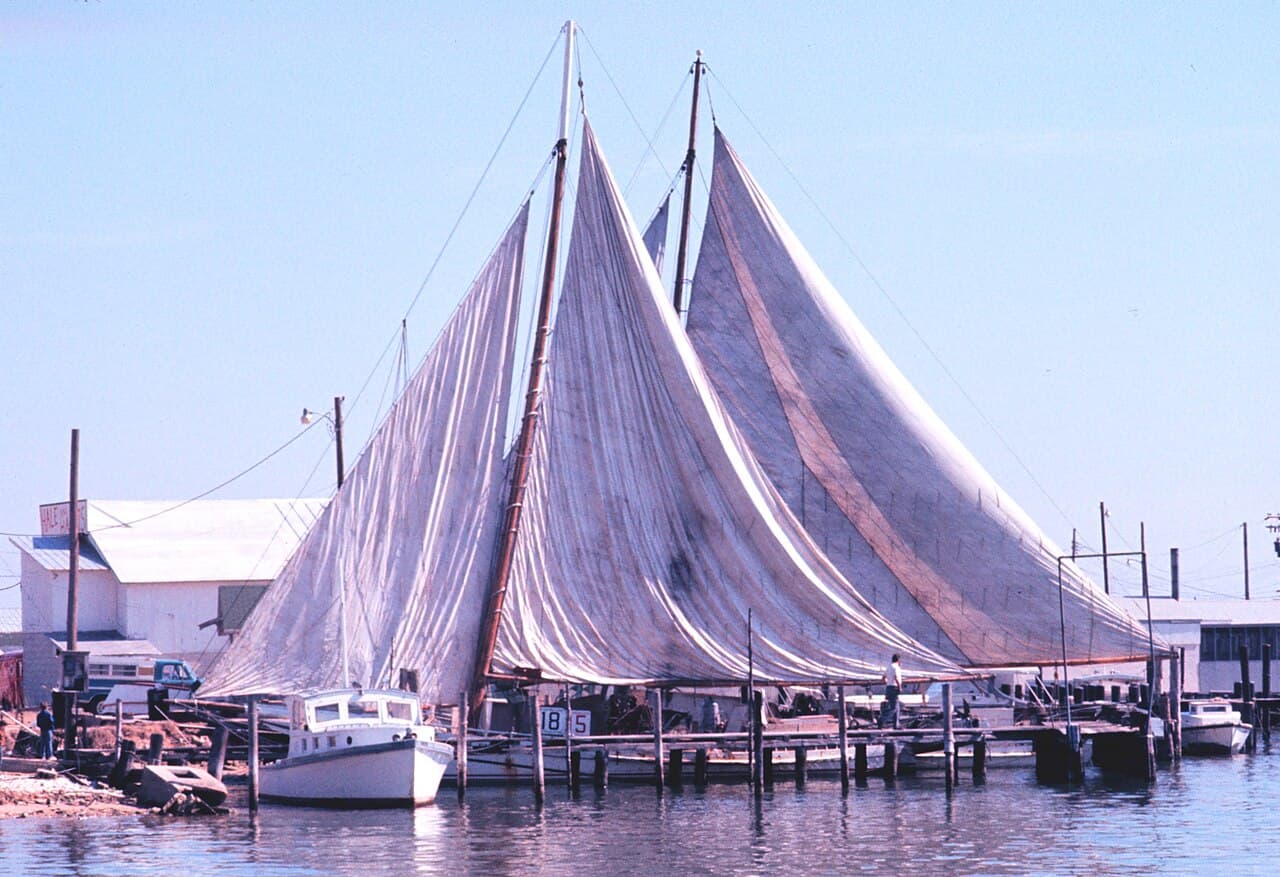
The Chesapeake's oyster and crab fisheries built a way of life that still shapes towns up and down the Bay, Hampton Roads included. The skipjack — a shallow-draft sailing dredge boat — is the emblem of that era: Maryland made it the state boat in 1985, and only about 35 survive today, mostly for education and heritage racing rather than commercial dredging. Virginia's side of the Bay shares the same tonging, potting, and working-waterfront tradition that skipjacks represent further up the Chesapeake.

Source: Chesapeake Bay Program

Get your catch on the record

Verified

The Virginia Saltwater Fishing Tournament, run by VMRC, tracks citation-worthy catches across the state's tidal waters — land a fish over the species' minimum weight or length and you can submit it for an official citation and a shot at the state record book. A companion Virginia Junior Angler Program does the same for young anglers, and the tournament has published annual catch data since at least 2000.

Source: Virginia Marine Resources Commission

Poquoson: a working-waterman town

Unverified

Poquoson — Virginia's oldest continuously named town, with family histories tracing back to the 1700s — has built its entire identity around the Chesapeake Bay's blue crab and oyster fisheries. Generations of Poquoson watermen worked (and still work) the Bay and its tributaries using trotlines for crabs and hand tongs for oysters, from locally built log canoes that were used by watermen up and down the East Coast for crabbing, oystering, and fishing before engines became standard. The distinctive, asymmetrical design of the York County (Poquoson) canoe reflects real West African boatbuilding influence, carried into the Chesapeake by enslaved and free Black watermen who made up a majority of Colonial Virginia's watermen. Poquoson still celebrates this heritage every October with its own Seafood Festival.

Source: Virginia Living — 'The Great Marsh: Poquoson'

African American watermen of the Chesapeake Bay

Unverified

For more than 400 years, African Americans have worked the Chesapeake Bay's waters — first as enslaved laborers, later as watermen, shipbuilders, and seafood-business owners in their own right. By 1860 the Bay supplied most of the nation's oysters, and Black oystermen were a real backbone of that industry; after emancipation, many Black watermen settled the Bay's lowland shorelines, gaining direct access to some of its best fishing grounds under a residency-based harvest system then in place. The Virginia Department of Historic Resources, partnered with the National Trust for Historic Preservation, is actively surveying and documenting historic sites tied to this history across Virginia's Chesapeake shoreline — the first property formally nominated under that project is the Samuel D. Outlaw Blacksmith Shop in Onancock (Eastern Shore), where Outlaw crafted crab dredges, clam rakes, and oyster tongs for local watermen from 1927 to 1972; the shop now operates as a public museum.

Source: Virginia Department of Historic Resources — Historic Resources Associated with African American Watermen of the Virginia Chesapeake Bay