Shortnose Sturgeon
Acipenser brevirostrum
Partially verified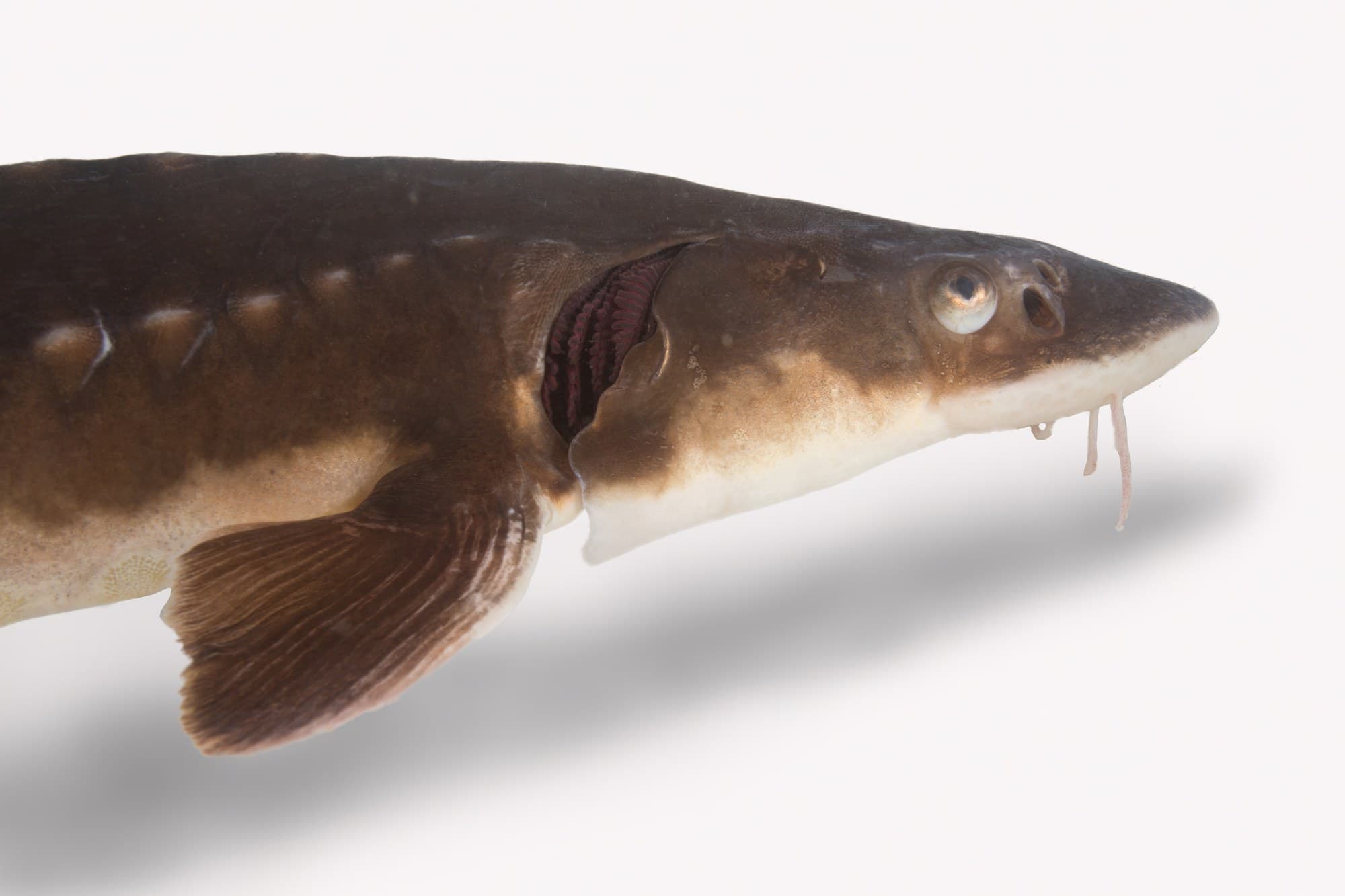
Handling & regulations: Federally listed as endangered under the Endangered Species Act. It is illegal to harass, harm, pursue, capture, or kill a shortnose sturgeon. Documented Chesapeake Bay/Virginia sightings are rare — roughly 93 shortnose sturgeon recorded in the Bay area between 1996-2012, compared to 1,590 Atlantic sturgeon over the same period. If one is ever encountered, release it immediately with minimal handling.
Commonly confused with: Blue Catfish, Atlantic Sturgeon. If you're not sure which one you've caught, treat it as the more restricted species and release it until you can confirm.
Identification
Similar overall body plan to Atlantic sturgeon (bony scutes, flattened snout, barbels) but notably smaller and shorter-snouted — Atlantic sturgeon can exceed 10 feet, where shortnose sturgeon rarely exceeds 3 feet, A relatively wide mouth for its size compared to Atlantic sturgeon, and a shorter, more rounded snout
More photos
Where this fish fits
Shortnose Sturgeon is found across more than one water environment — this reflects real movement between them (e.g. a tidal migration or life-stage change), not uncertainty about where to look.
These are discovery categories describing where anglers realistically fish for this species, not a guarantee this project has confirmed regional access at every listed setting — see the linked locations below for this project's own actually-sourced spots.
- Typical season
- Genuinely rare in Virginia waters — this is not a species anyone should be intentionally fishing for, and an encounter of any kind is uncommon.
- Habitats
- Large coastal rivers, including the Chesapeake Bay/Potomac River system
- Food use
- Harvest restricted or prohibited
Data not yet verified.
This site hasn't checked for a fish-consumption advisory covering this species yet. That is not the same as confirmed safe — check current official guidance before eating your catch.
Seasons, size limits, and possession limits change and vary by water body. Always check the current regulations at the current regulations page before you fish.
- Bait & lures
- Beginner difficulty
- Challenging
Part of this record is confirmed against an official source; other parts are not. See the notes below for exactly which.
Endangered status and the ESA take/harm/harass prohibition are directly confirmed via NOAA Fisheries' own species page. The 1996-2012 Chesapeake Bay sighting-frequency comparison against Atlantic sturgeon is corroborated across multiple independent regional sources. Added in the Regional Species Completeness pass alongside Atlantic sturgeon, given its genuine (if rare) presence in the same river systems and the real value of not conflating the two species' very different encounter frequency.