Black Drum
Pogonias cromis
Partially verified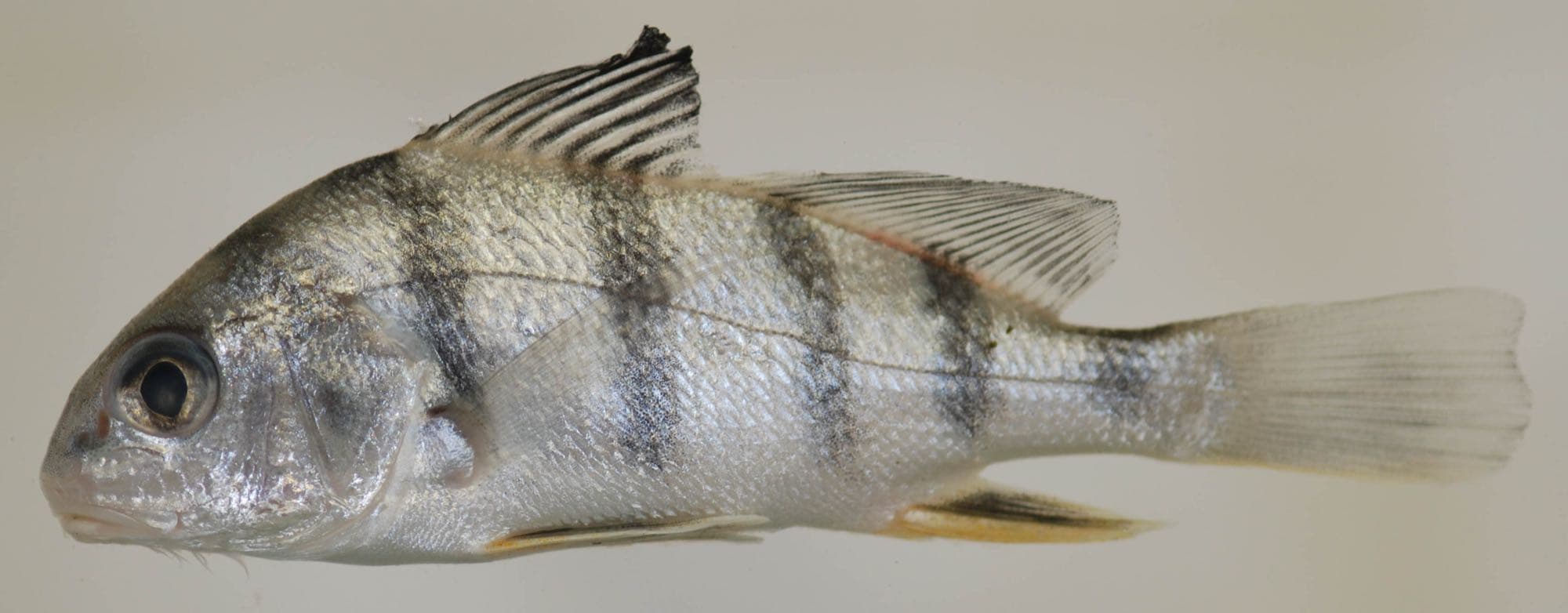
Commonly confused with: Red Drum. If you're not sure which one you've caught, treat it as the more restricted species and release it until you can confirm.
Identification
10-14 pairs of chin barbels (whiskers) — the single most reliable tell versus red drum, which has none, High, arched back giving a 'humpback' shape; gray to black coloring, less streamlined than red drum, No black tail spot (red drum usually has one or more)
More photos
Where this fish fits
Black Drum is found across more than one water environment — this reflects real movement between them (e.g. a tidal migration or life-stage change), not uncertainty about where to look.
These are discovery categories describing where anglers realistically fish for this species, not a guarantee this project has confirmed regional access at every listed setting — see the linked locations below for this project's own actually-sourced spots.
- Typical season
- Spring through fall, with a notable spring run of larger fish around the Bay Bridge-Tunnel.
- Habitats
- Oyster reefs and shell bottom, Bridge and pier pilings, Lower Chesapeake Bay structure
- Food use
- Commonly eaten
Data not yet verified.
This site hasn't checked for a fish-consumption advisory covering this species yet. That is not the same as confirmed safe — check current official guidance before eating your catch.
Recipes for Black Drum
Commonly eaten — check the advisory notice above before eating your catch.
Seasons, size limits, and possession limits change and vary by water body. Always check the current regulations at the current regulations page before you fish.
- Bait & lures
- Crab (peeler or whole) fished on bottom, Clam or shrimp on a fish-finder rig
- Beginner difficulty
- Moderate
Part of this record is confirmed against an official source; other parts are not. See the notes below for exactly which.
The chin-barbel/no-tail-spot identification features (the standard way to separate black drum from red drum) are confirmed via the Chesapeake Bay Program field guide, corroborated by multiple state-agency drum-ID sources. Habitat/season/bait notes remain general regional angling knowledge, not individually fact-checked. Regulations change often — always check the current VMRC page linked below.