intermediate rig
Lure presentationWacky rig
About as simple to rig as soft-plastic fishing gets: hook the bait through the middle, cast, and let it sink on a slack or semi-slack line
- Best for
- Largemouth BassBluegill
- Water
- lakerivermarsh
Components
- Main line or leader tied to a hook
- A soft-plastic stick bait hooked through its middle rather than nose-first, so both ends hang down and flutter
Setup
- Hook
- A small, light-wire hook sized to the bait, sometimes weedless, pierced through the center of the bait's body.
- Weight
- Usually unweighted, or very lightly weighted depending on how slow a fall you want — a small nail weight inserted into one end is the typical way to add just a little.
How to fish it
About as simple to rig as soft-plastic fishing gets: hook the bait through the middle, cast, and let it sink on a slack or semi-slack line — the bait's own flutter as both ends fall is the entire presentation.
When to use it
- Dock pilings, cypress knees, and shallow cover in spring
- Calm, clear water where a slow fall draws a look
- Bedding bass and fish that have seen every lure
Common mistakes
- Retrieving too actively — like the Ned rig, the wacky rig's appeal is almost entirely in the natural fall, not an active retrieve
Variations
Freshwater finesse rigs: the same idea, adjusted
- Sheet 17Lureintermediate
Drop-shot rig
For largemouth bass, crappie, white perch from lake, river.
Largemouth BassCrappieWhite Perch - Sheet 18Lureintermediate
Ned rig
For largemouth bass, white perch from lake, river.
Largemouth BassWhite Perch - Sheet 19Lureintermediate
Texas rig
For largemouth bass from lake, river, marsh.
Largemouth Bass
Where to use it
Water this rig is documented for
- No verified photo yet36.75° N 76.63° WShorelineBoat rampSpecies match
Suffolk reservoir shoreline
Cypress-lined municipal reservoir water — quiet freshwater fishing with permit requirements and posted rules.
2 speciesFamily-friendly - No verified photo yet36.57° N 76.28° WShorelineKayak launchSpecies match
Northwest River Park
Cypress-lined blackwater — classic pickerel and bass water, quiet paddle in.
2 speciesFamily-friendlyAccessible features 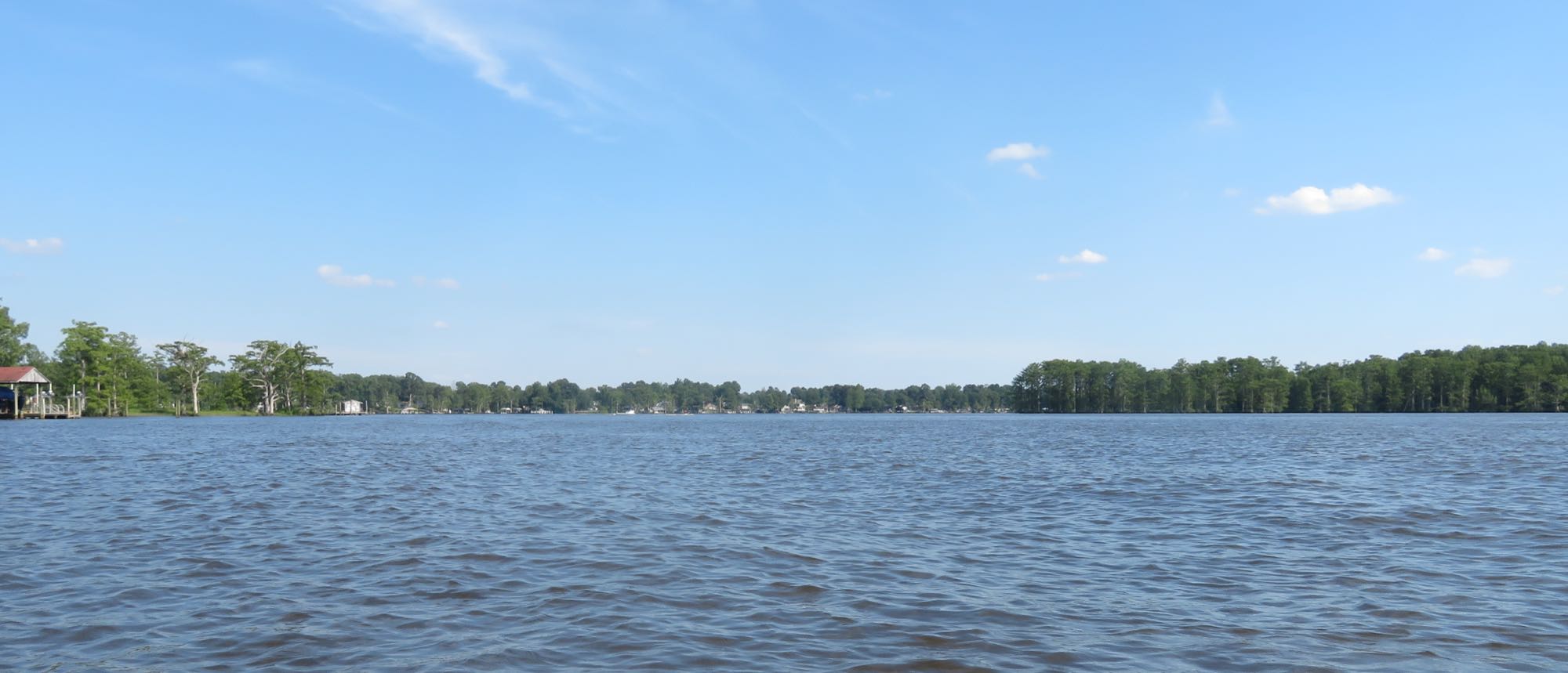
Photo David R. Bains, CC BY-SA 4.0 (representative)
ShorelineBoat rampSpecies matchChickahominy riverfront access
Tidal freshwater river with ramps, wide flats, and cypress shoreline — a strong bridge between fresh and brackish fishing.
3 speciesFamily-friendlyAccessible featuresRestrooms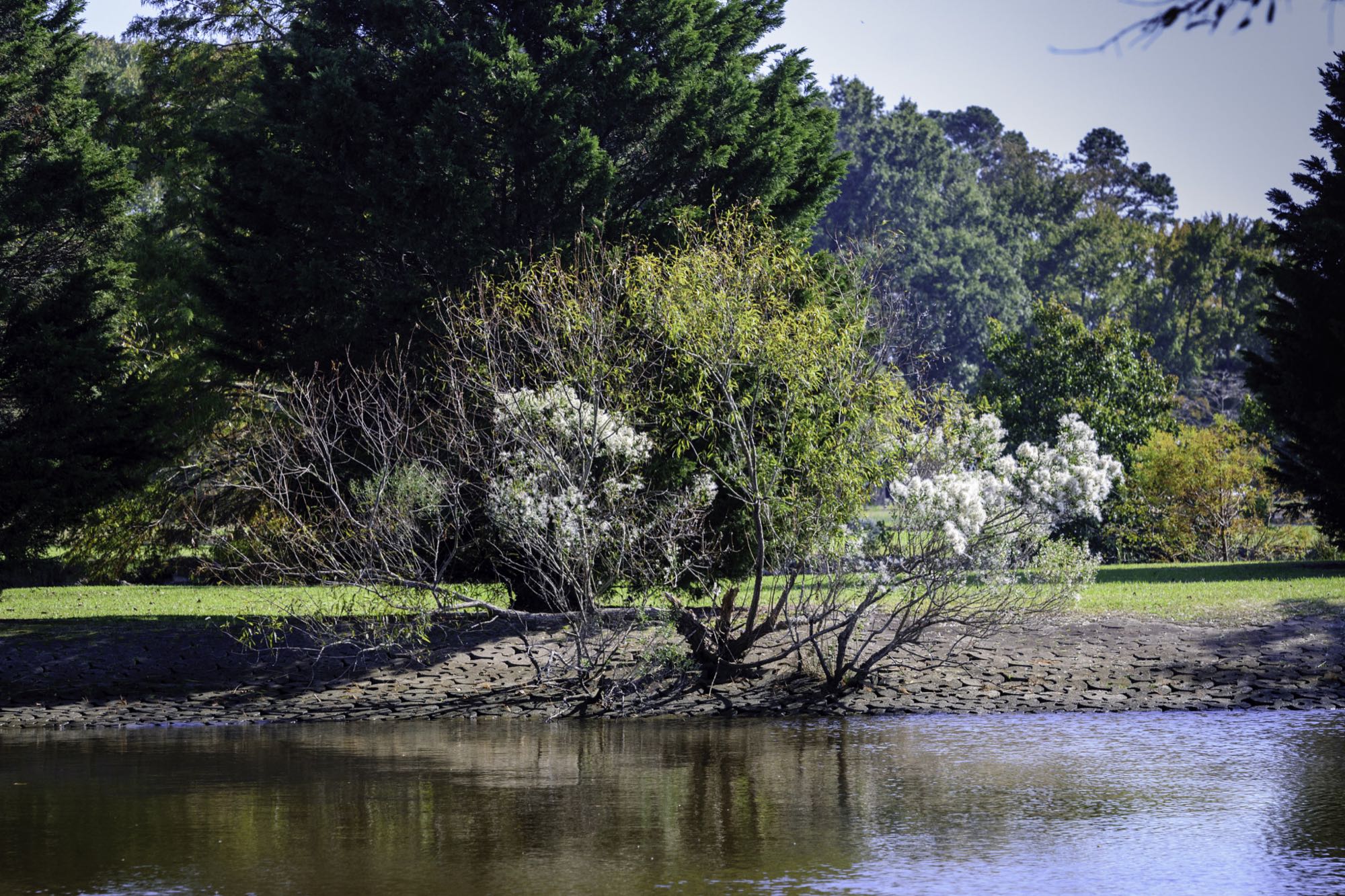
Photo Randy Everette, CC BY-SA 3.0
Kayak launchBoat rampSpecies matchMunden Point Park
Launch before sunrise — the grass line off the point holds bass until boat traffic picks up.
2 speciesAccessible features- No verified photo yet36.88° N 76.13° WShorelineKayak launchSpecies match
Lake Smith & Lake Lawson
Reliable year-round freshwater — crappie stack up along the standing timber in spring.
2 speciesFamily-friendlyAccessible features - No verified photo yet37.18° N 76.55° WShorelineKayak launchSpecies match
Lee Hall Reservoir
A 230-acre city-owned reservoir inside Newport News Park — electric-motor-only water with a well-documented, diverse fish population.
4 speciesFamily-friendlyAccessible features

