White Catfish
Ameiurus catus
Partially verified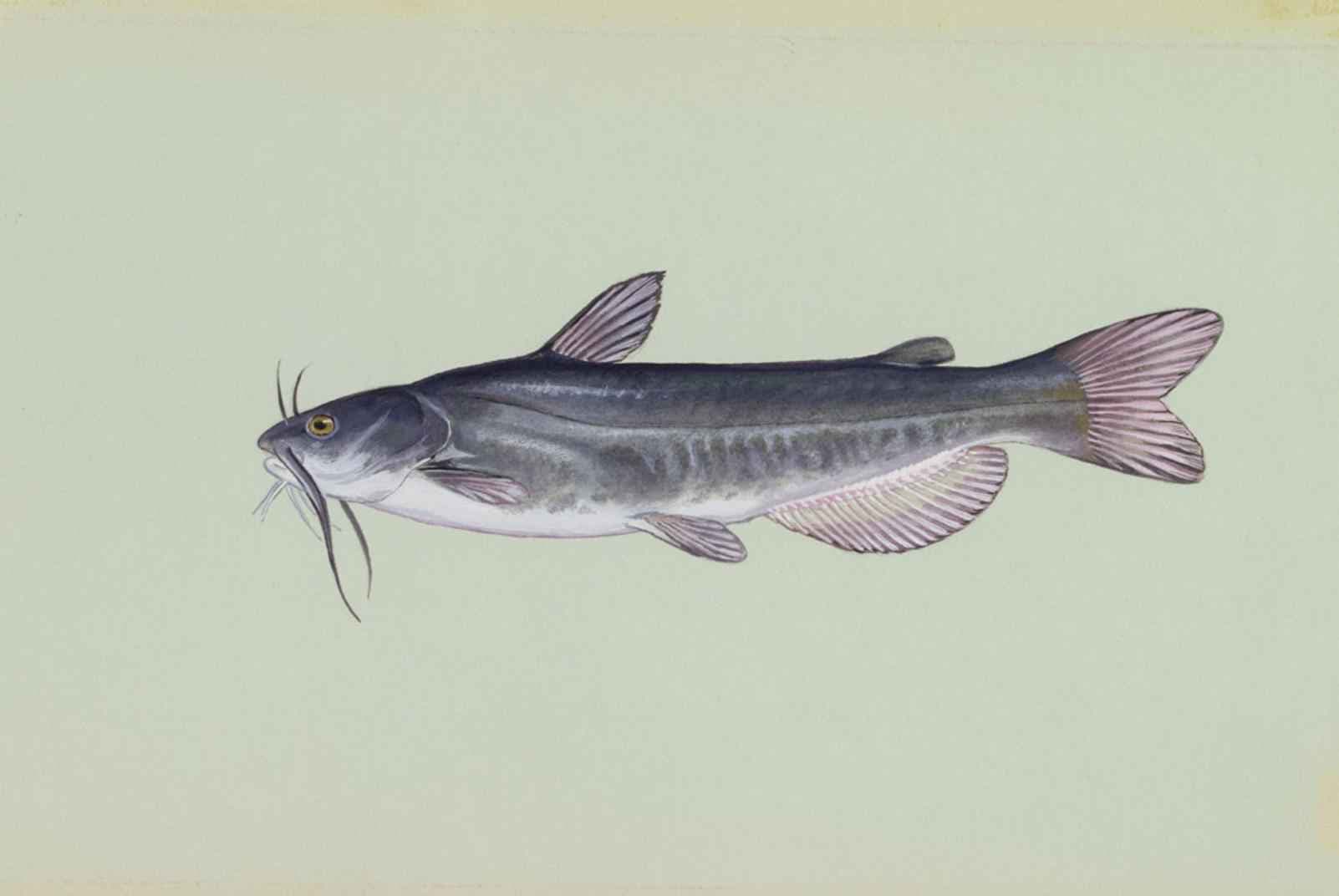
Handling & regulations: Native to Virginia's Atlantic coastal plain drainages (tidal rivers and tributaries), a genuinely different conservation story from the region's three non-native catfish species. Omnivorous — eats fish, crustaceans, insects, and aquatic plants.
Commonly confused with: Channel Catfish. If you're not sure which one you've caught, treat it as the more restricted species and release it until you can confirm.
Identification
Native to Virginia — unlike blue catfish, channel catfish, and flathead catfish (all non-native introductions), white catfish is the region's one native large-bodied catfish species, Moderately forked tail — less deeply forked than channel catfish's, Relatively large head for its body size; blue-gray above fading to white below, occasionally mottled light gray on the sides, Stays smaller than the region's non-native catfish — typically under 17 inches in Virginia
Where this fish fits
White Catfish is found across more than one water environment — this reflects real movement between them (e.g. a tidal migration or life-stage change), not uncertainty about where to look.
These are discovery categories describing where anglers realistically fish for this species, not a guarantee this project has confirmed regional access at every listed setting — see the linked locations below for this project's own actually-sourced spots.
- Typical season
- Active year-round in tidal systems; less strictly nocturnal than most other regional catfish.
- Habitats
- Open water with muddy bottoms, especially Virginia's tidal rivers and their tributaries
- Food use
- Commonly eaten
Data not yet verified.
This site hasn't checked for a fish-consumption advisory covering this species yet. That is not the same as confirmed safe — check current official guidance before eating your catch.
Seasons, size limits, and possession limits change and vary by water body. Always check the current regulations at the current regulations page before you fish.
- Bait & lures
- Cut bait or worms fished on or near bottom
- Beginner difficulty
- Easy for beginners
Part of this record is confirmed against an official source; other parts are not. See the notes below for exactly which.
Identification features, native range (Virginia's Atlantic coastal plain, excluding the Eastern Shore and Gulf-draining watersheds), and habitat are directly confirmed via Virginia DWR's own White Catfish species page as of 2026-08-16. That page states no specific size/creel limit — check the general freshwater regulations link below. Season/bait notes are general regional angling knowledge, not individually fact-checked.