Oyster Toadfish
Opsanus tau
Unverified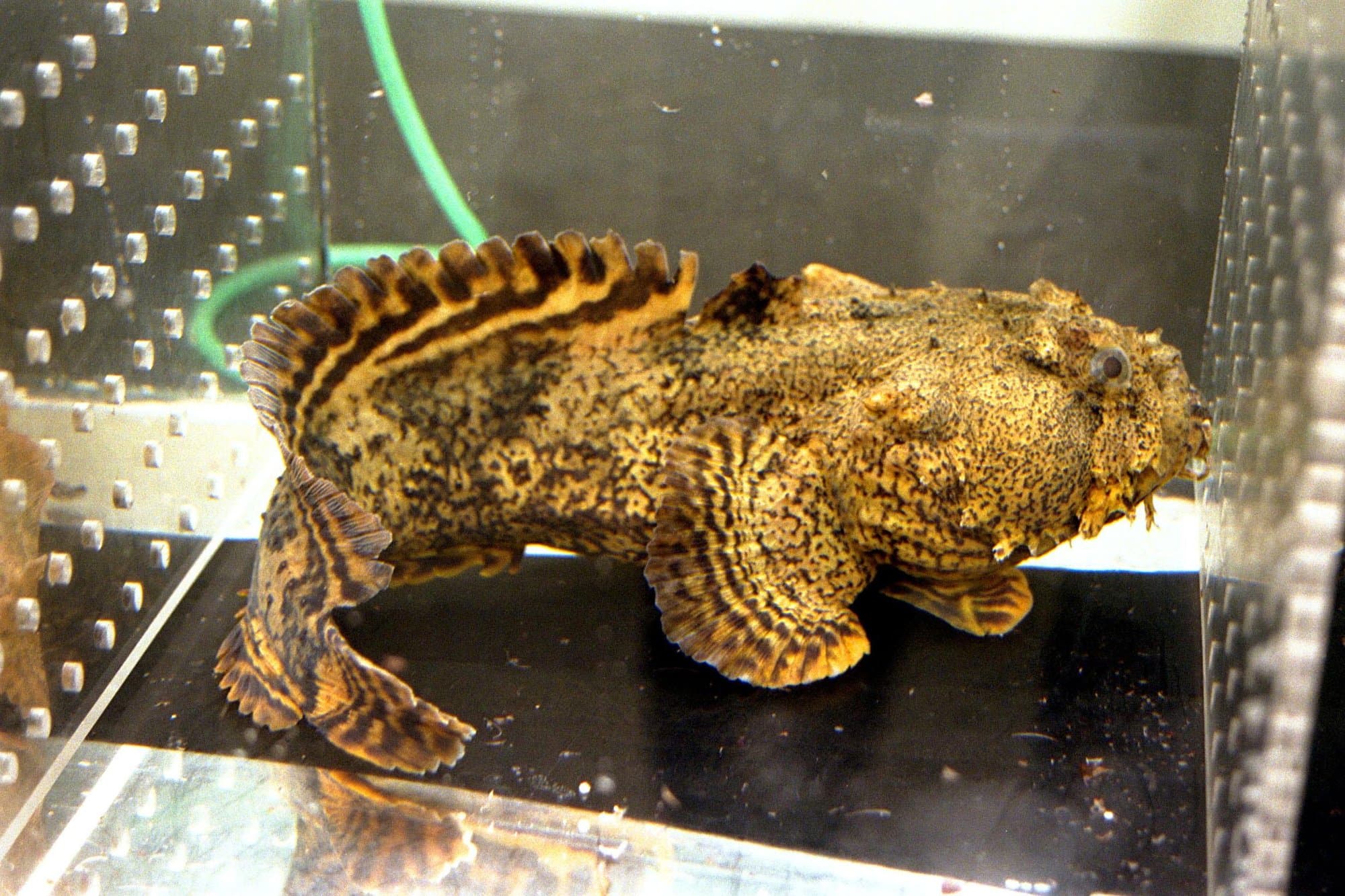
Handling & regulations: A frequent, aggressive incidental catch around structure — it will readily take bait meant for other species. Handle with real care: oyster toadfish have powerful, snapping jaws and sharp dorsal-fin spines capable of a painful puncture wound.
Identification
A large, flattened head with big, protruding eyes and a wide mouth ringed with fleshy, whisker-like flaps — a genuinely distinctive, almost fossil-like appearance, Scaleless, mucus-covered greenish-brown skin with irregular dark bars and blotches, and a lighter belly
Where this fish fits
Oyster Toadfish is found across more than one water environment — this reflects real movement between them (e.g. a tidal migration or life-stage change), not uncertainty about where to look.
These are discovery categories describing where anglers realistically fish for this species, not a guarantee this project has confirmed regional access at every listed setting — see the linked locations below for this project's own actually-sourced spots.
- Typical season
- Present year-round, most abundant in the middle and lower Chesapeake Bay.
- Habitats
- Oyster reefs, pilings, and other hard structure in the Chesapeake Bay and its tidal tributaries
- Food use
- Eat with caution
Data not yet verified.
This site hasn't checked for a fish-consumption advisory covering this species yet. That is not the same as confirmed safe — check current official guidance before eating your catch.
Seasons, size limits, and possession limits change and vary by water body. Always check the current regulations at the current regulations page before you fish.
- Bait & lures
- Squid, clam, peeler crab, sand flea, or marine worms fished on bottom near structure
- Beginner difficulty
- Easy for beginners
Drawn from a named source but not independently confirmed. Double-check before relying on it.
Identification and handling-hazard notes are corroborated across VIMS's own research page and multiple independent regional angling sources. Food-use is marked eat-with-caution — this project found it described as edible but not a commonly targeted regional food fish, and no dedicated Virginia bag/size limit was found during research. Habitat/season/bait notes reflect general regional angling knowledge. Added in the Regional Species Completeness pass.