Crappie
Pomoxis spp.
Partially verified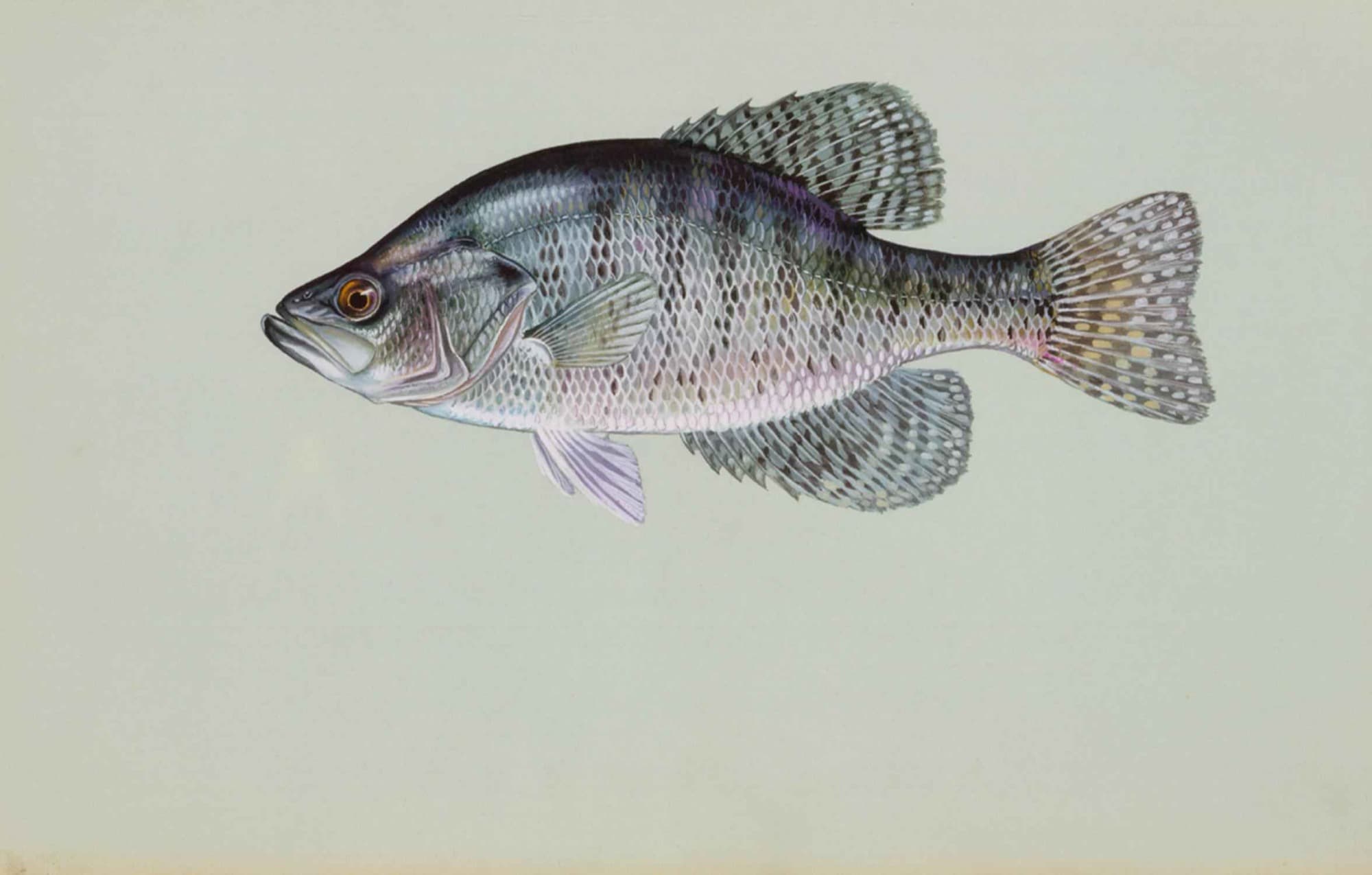
Identification
Two species occur locally, both covered by this one entry: black crappie (deeper body, high arched back, randomly speckled sides, 7-8 dorsal spines) and white crappie (9 faint vertical bars, only 6 dorsal spines), Both have a large mouth and thin, papery, easily-torn lips — go easy on hookset and handling
Where this fish fits
Common access at this project's own linked locations: Bank / Shore, Kayak, Boat Ramp.
These are discovery categories describing where anglers realistically fish for this species, not a guarantee this project has confirmed regional access at every listed setting — see the linked locations below for this project's own actually-sourced spots.
- Typical season
- The spring spawn (shallow) is most popular; crappie suspend around structure the rest of the year.
- Habitats
- Standing timber, brush piles, and dock pilings, Freshwater lakes and slow rivers
- Food use
- Commonly eaten
Advisory exists — review official guidance.
Chickahominy River (From the confluence with the James River upstream to the Route 360 bridge, including Chickahominy Lake) — PFOS (perfluorooctane sulfonate): No more than two fish meals per month (one meal = 8 oz) of black crappie from this stretch of the Chickahominy River.
Nursing mothers and young children should not eat fish from this advisory area at all. Pregnant women and those who may become pregnant face increased health risk. Cleaning or cooking the fish does not remove or reduce PFOS.
Recipes for Crappie
Commonly eaten — check the advisory notice above before eating your catch.
Seasons, size limits, and possession limits change and vary by water body. Always check the current regulations at the current regulations page before you fish.
- Bait & lures
- Small minnows or jigs under a slip float, 1/16–1/32 oz jigs fished around cover
- Beginner difficulty
- Easy for beginners
Part of this record is confirmed against an official source; other parts are not. See the notes below for exactly which.
The black-vs-white crappie identification features are corroborated across Virginia DWR's own separate black-crappie and white-crappie species pages plus this outdoors-media source; cited here as a single comparison piece since this project profiles both species as one combined 'Crappie' entry rather than splitting them. Habitat/season/bait notes remain general regional angling knowledge, not individually fact-checked. Regulations change often — always check the current VDWR page linked below.