Common Carp
Cyprinus carpio
Unverified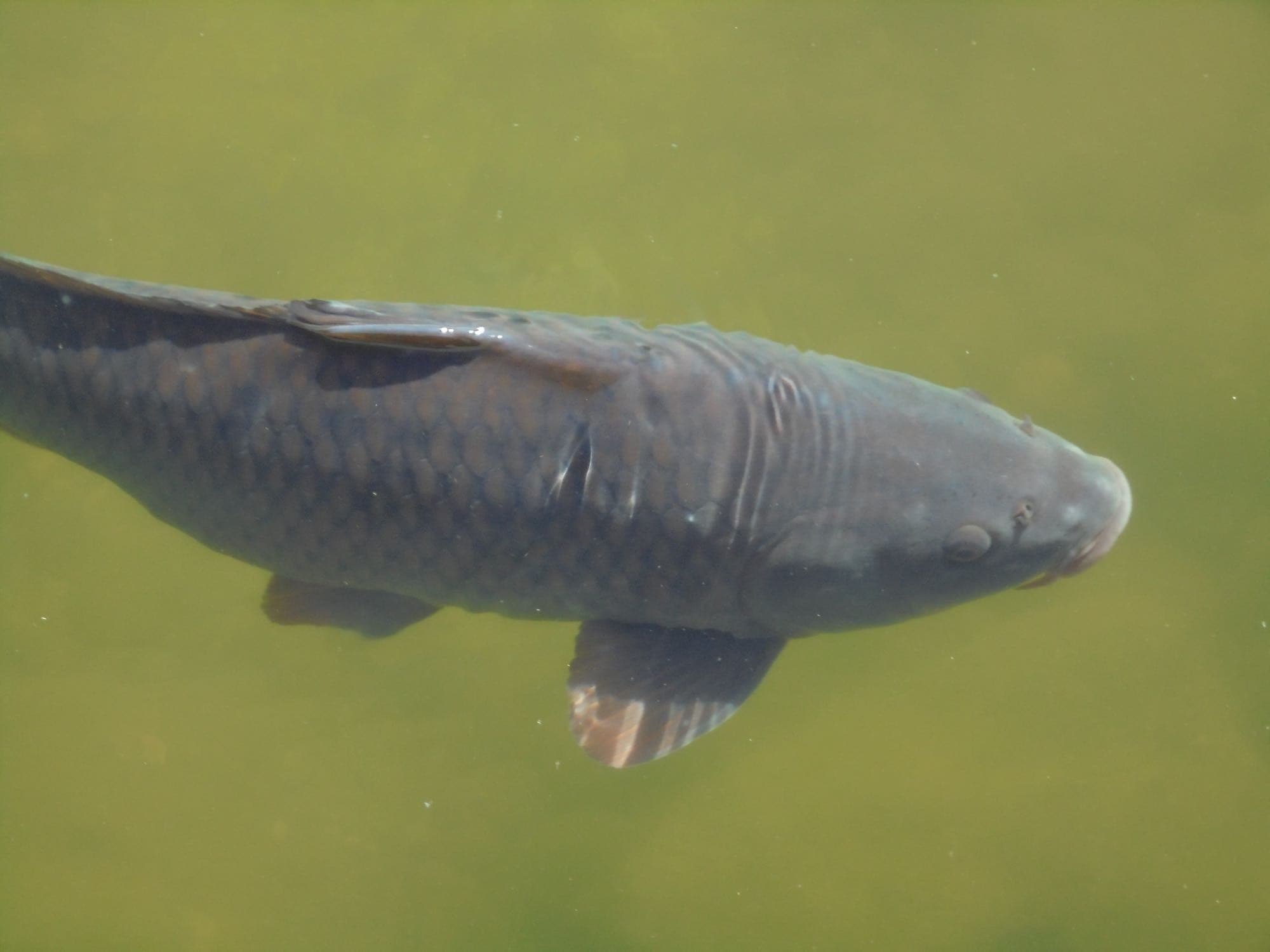
Identification
Large, heavy-bodied fish with big, coarse scales and two barbels (whiskers) on each side of the upper jaw, Long, single dorsal fin running most of the length of the back; a stiff, saw-toothed leading spine on both the dorsal and anal fins
Where this fish fits
Common Carp is found across more than one water environment — this reflects real movement between them (e.g. a tidal migration or life-stage change), not uncertainty about where to look.
These are discovery categories describing where anglers realistically fish for this species, not a guarantee this project has confirmed regional access at every listed setting — see the linked locations below for this project's own actually-sourced spots.
- Typical season
- Bites best in hot summer when other freshwater species slow down; in late fall and cold water it favors soft baits over active feeding.
- Habitats
- Freshwater and tidal-river backwaters, reservoirs, and slow-moving rivers with a soft bottom
- Food use
- Eat with caution
Data not yet verified.
This site hasn't checked for a fish-consumption advisory covering this species yet. That is not the same as confirmed safe — check current official guidance before eating your catch.
Seasons, size limits, and possession limits change and vary by water body. Always check the current regulations at the current regulations page before you fish.
- Bait & lures
- Bread-dough balls, canned corn or peas, or cheese fished directly on a clean, unobstructed bottom, Nightcrawlers
- Beginner difficulty
- Moderate
Drawn from a named source but not independently confirmed. Double-check before relying on it.
A long-naturalized, non-native freshwater species with no dedicated Virginia bag/size limit found during research — treated as eat-with-caution rather than commonly-eaten pending a specific consumption source, consistent with this project's own caution standard for species without a directly confirmed food-safety source. Habitat/season/bait notes reflect general regional angling knowledge. Added in the Regional Species Completeness pass.