Stout Razor Clam
Tagelus plebeius
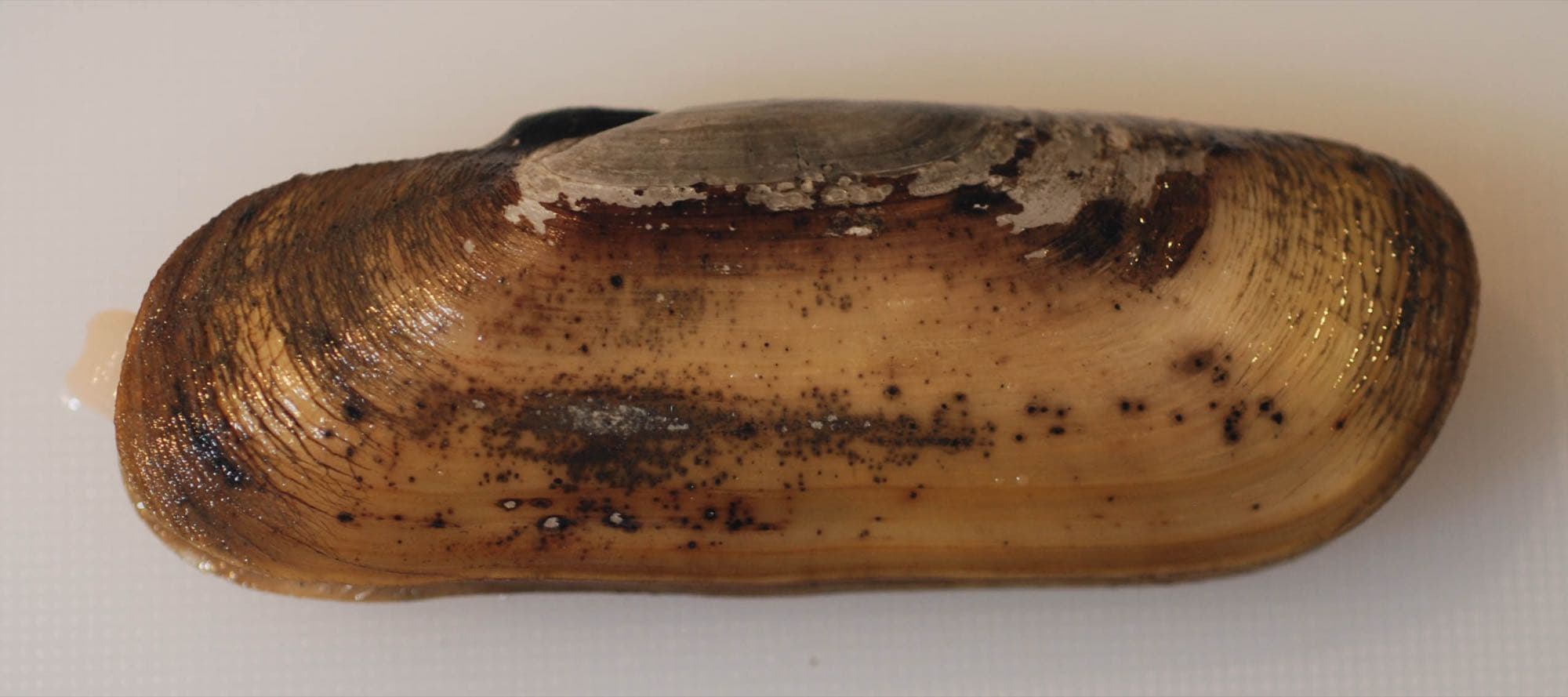
Drawn from a named source but not independently confirmed. Double-check before relying on it.
Bait-use history and the 2003 die-off event corroborated via Bay Journal and Maryland DNR sources found via WebSearch. Deliberately distinguished from other coasts' recreational razor-clam food fisheries to avoid a real, easy species-confusion mistake.
Legal status: This guide found no confirmed dedicated Virginia recreational human-food regulation for this specific species — regionally, it has primarily been harvested and used as blue-crab bait rather than targeted as table food. Do not assume the well-known razor-clam recreational food fisheries of other U.S. coasts apply to this Chesapeake Bay species.
An elongated, rectangular clam (not the same species as the classic Atlantic/Pacific razor-clam recreational digging fisheries known from other U.S. coasts) — in the Chesapeake Bay context specifically, this species is primarily known and used as bait, not a table food.
Identification
- Long, narrow, rectangular shell, open at both ends.
- Burrows vertically in soft mud, leaving a distinctive keyhole-shaped opening at the surface.
- Regional occurrence
- Occurs in Chesapeake Bay soft-mud flats, including Virginia waters — historically important as a substitute bait source for crab fishermen after the soft-shell clam fishery declined, though razor clam populations themselves saw a major die-off event around 2003.
- Habitat
- Burrows in soft mud/sand tidal flats.
- Food use
- Not Typically Eaten
This page is educational and does not certify that any specific animal may be legally harvested at any specific time or place. Confirm current regulations, health-closure status, and access rights before harvesting.