Eastern Slipper Shell
Crepidula fornicata
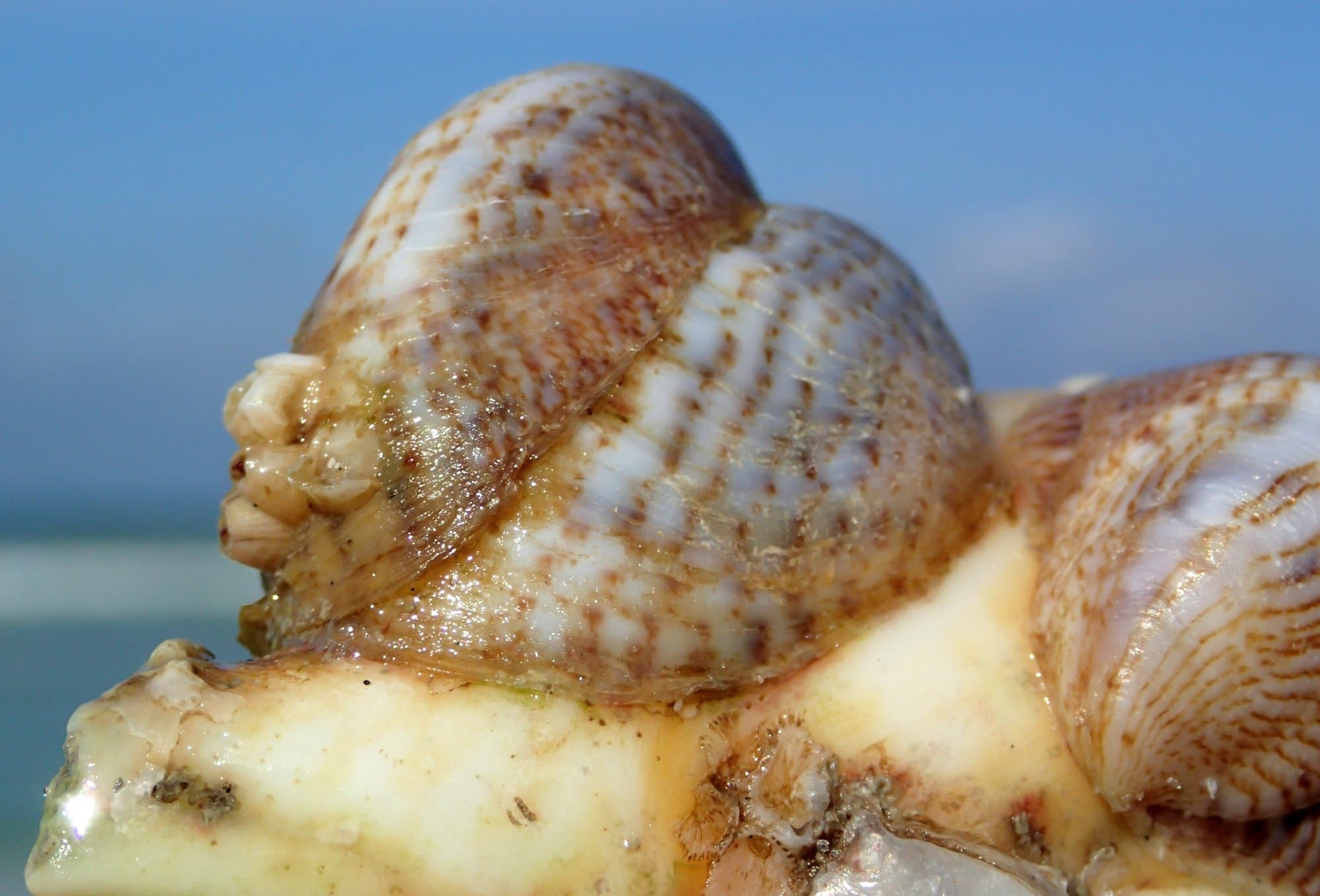
Drawn from a named source but not independently confirmed. Double-check before relying on it.
Identification features (shell shape, internal shelf, stacking/sequential-hermaphrodite behavior) directly corroborated across the Smithsonian's NEMESIS invasive-species database and the Marine Life Information Network (MarLIN) species profile. Virginia/Chesapeake Bay regional occurrence is well-documented general knowledge (native range Nova Scotia to the Gulf of Mexico, genuinely common on Bay oyster reefs) rather than a single directly-fetched Virginia-specific source — flagged as unverified rather than overstated. Added in the Regional Species Completeness, Phase 2 pass, promoted from the framework's own pre-existing draft entry rather than researched from a blank page.
Legal status: Not a recreational harvest or food species in this region — included purely for identification, since it's an extremely common find on and among harvested oysters/clams and is easily mistaken for a juvenile bivalve rather than the distinct species it is.
A limpet-like snail with an oval, arched shell and a distinctive internal shelf (the source of both its 'slipper' and 'boat shell' common names) — not spiral-shelled like most snails, and easily mistaken at a glance for a small, oddly-shaped oyster or clam.
Identification
- Oval, convex, boat- or slipper-shaped shell (not the coiled spiral shape of most snails)
- A distinctive white internal shelf/platform visible when the shell is turned over — the single clearest field mark separating it from a young oyster or clam shell
- Yellow, cream, or brownish shell, often flecked with reddish-brown
- Frequently found stacked in small towers, with the largest, oldest individuals (functionally female) at the bottom and smaller, younger individuals (functionally male) on top — a real sequential-hermaphrodite life history, not decoration
- Regional occurrence
- Extremely common throughout Hampton Roads tidal waters, attached to oyster shells, hard structure, and other shells — anyone handling oysters or shoreline debris will likely encounter it.
- Habitat
- Attached to oyster shells, other mollusk shells, hard structure, and sometimes stacked on each other, from the intertidal zone into shallow subtidal water.
- Food use
- Not Typically Eaten
Ecological role
Common on and around oyster reefs, where it can compete with oysters for food and attachment space — a real, if minor, factor in reef ecology, not a claim that it harms Virginia's oyster restoration efforts by itself.
This page is educational and does not certify that any specific animal may be legally harvested at any specific time or place. Confirm current regulations, health-closure status, and access rights before harvesting.